October 2026 – A month of changing waters
I wasn’t out with my camera for the first two weeks of October. By the time I finally managed to get out, forecasts of Storm Austen and Storm Boelo were looming, just days away. It gave me enough time to check my trail cameras, retrieve the SD cards and make sure everything was safely secured before the storms arrived.
High Water Levels
As always, high water levels can have a devastating impact on the wildlife along the river. Levels had been relatively low over the previous few months, averaging around 0.45 metres, conditions that generally have little effect on the wildlife.
That changed dramatically during the storms. Water levels rose to 0.9 metres on 23 October before peaking at around 1.1 metres on the 25th. It’s not simply the height of the water that causes problems, but the sheer volume and speed of the flow. We’ve seen the consequences before, and even young otter cubs can be swept away in such powerful conditions.
New Otter Cub
Our youngest cub is currently around four months old. It first ventured out of the natal holt in mid-September, so at least it had several weeks to familiarise itself with the river before the weather turned. The water has been far too high for me to venture in, so I’ll be keeping a particularly close eye out for it over the coming days.
Looking Ahead – November
Looking ahead, November should hopefully bring some interesting visitors. I’ll be watching for the arrival of redwings, fieldfares and perhaps even waxwings, alongside smaller winter visitors such as goldcrests, siskins and redpolls.
Recent Photos
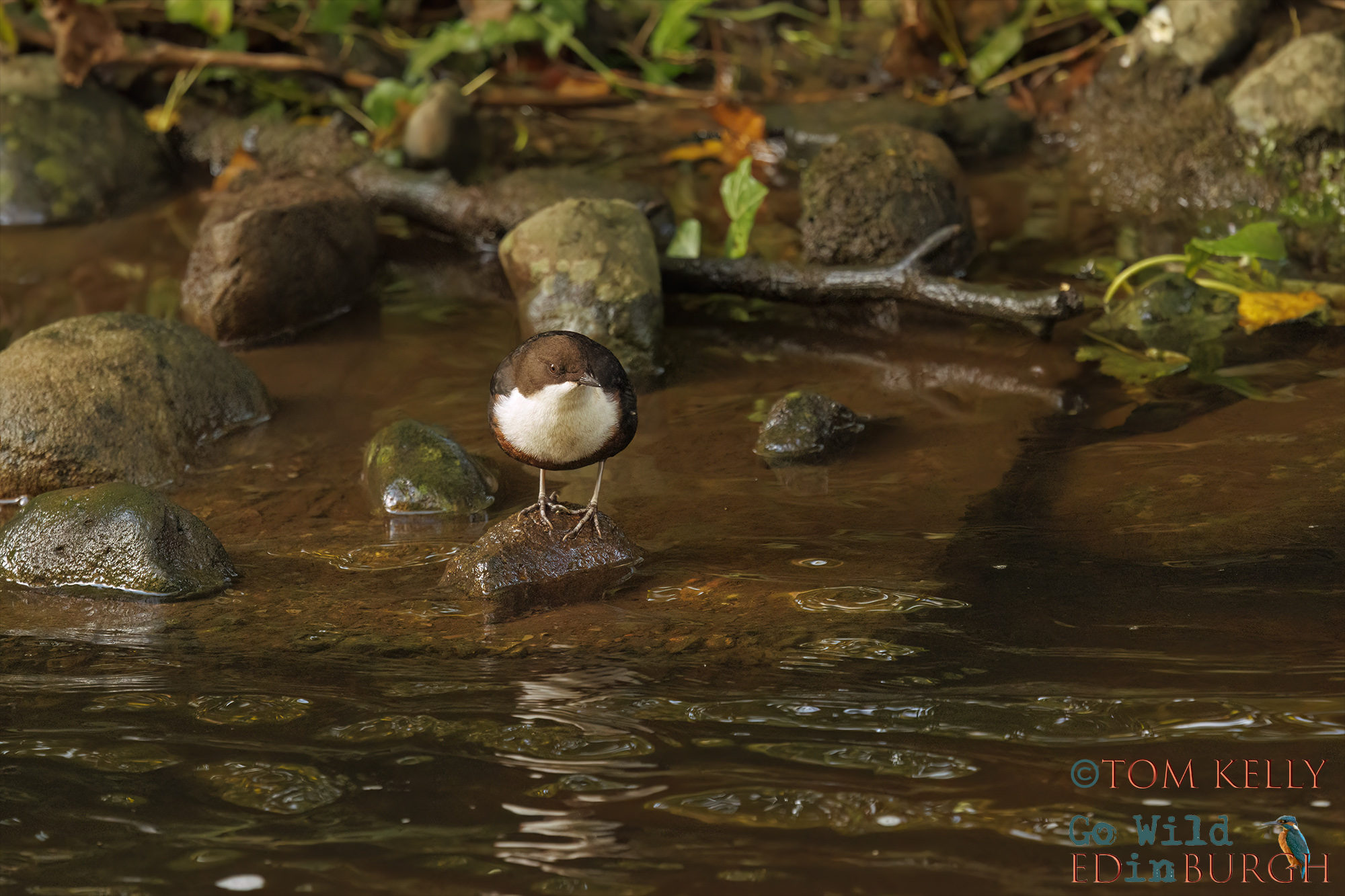
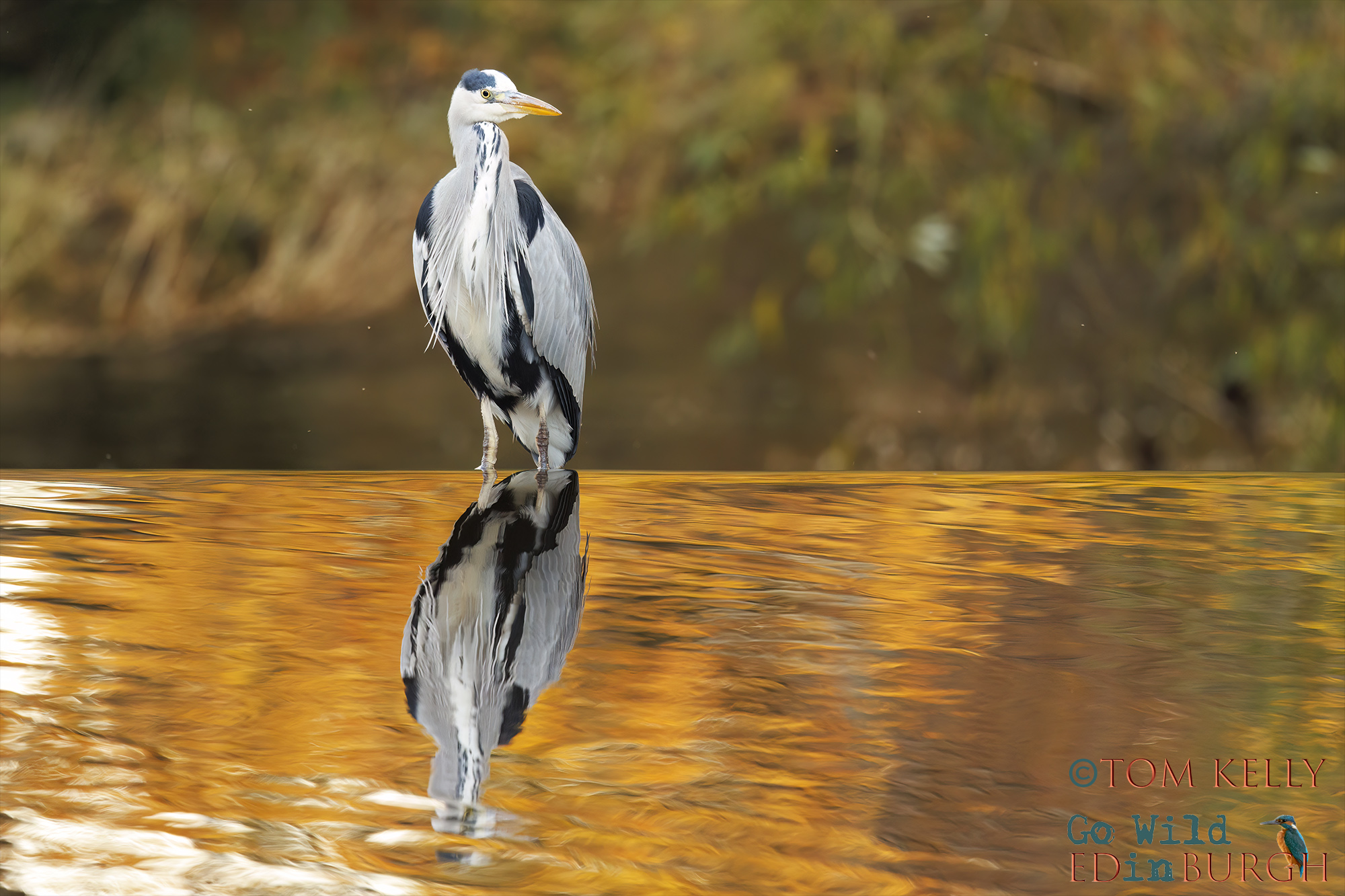
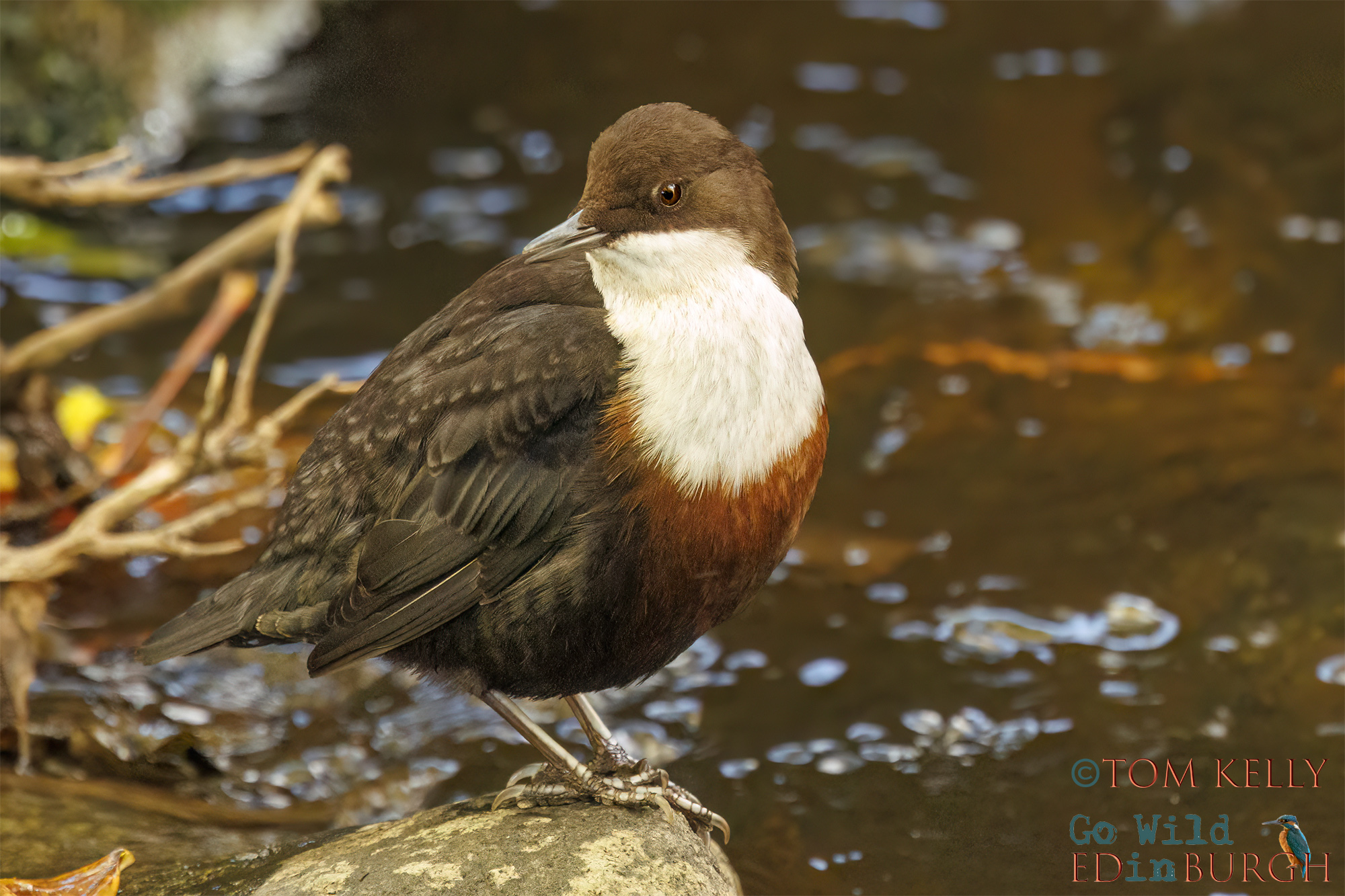
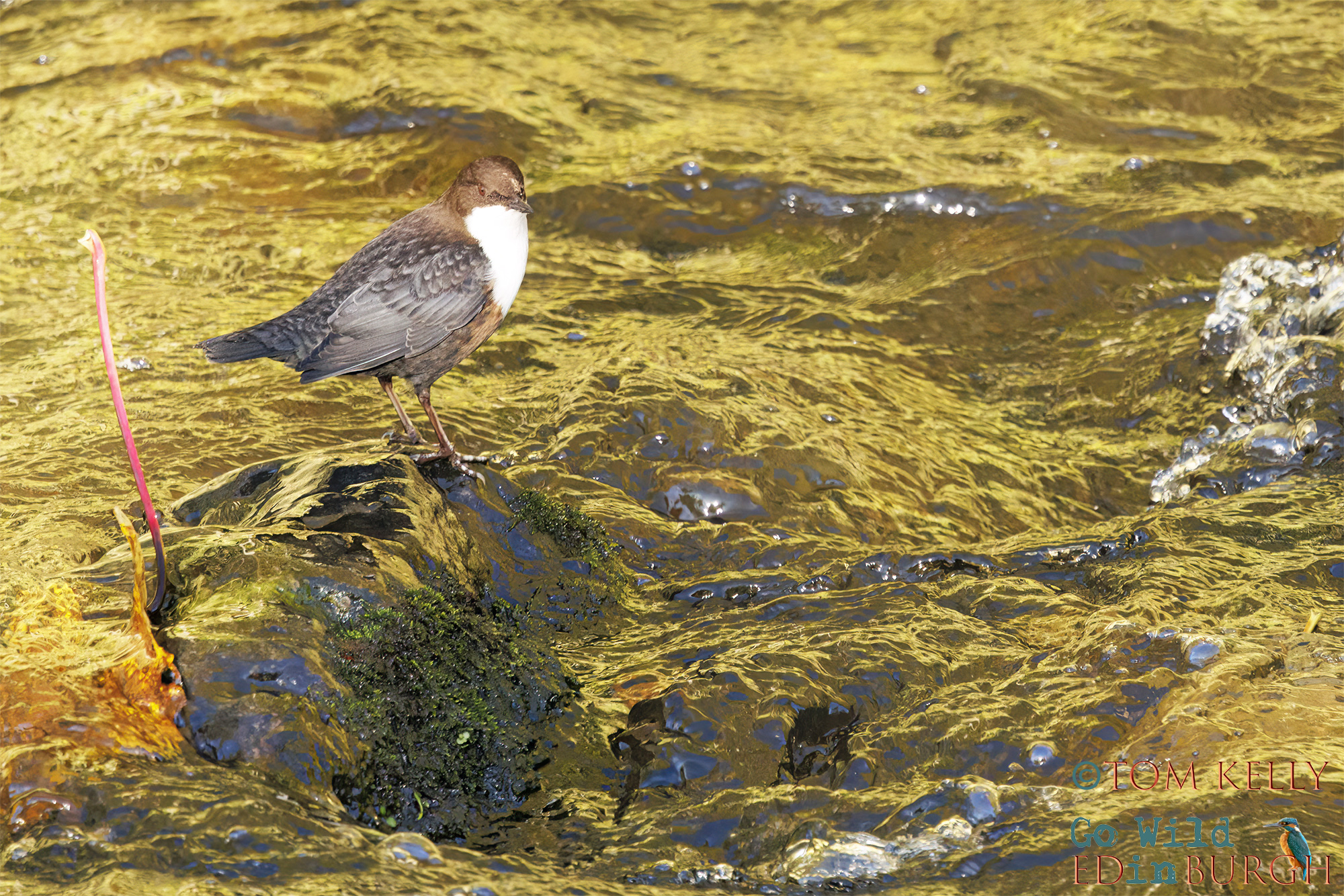
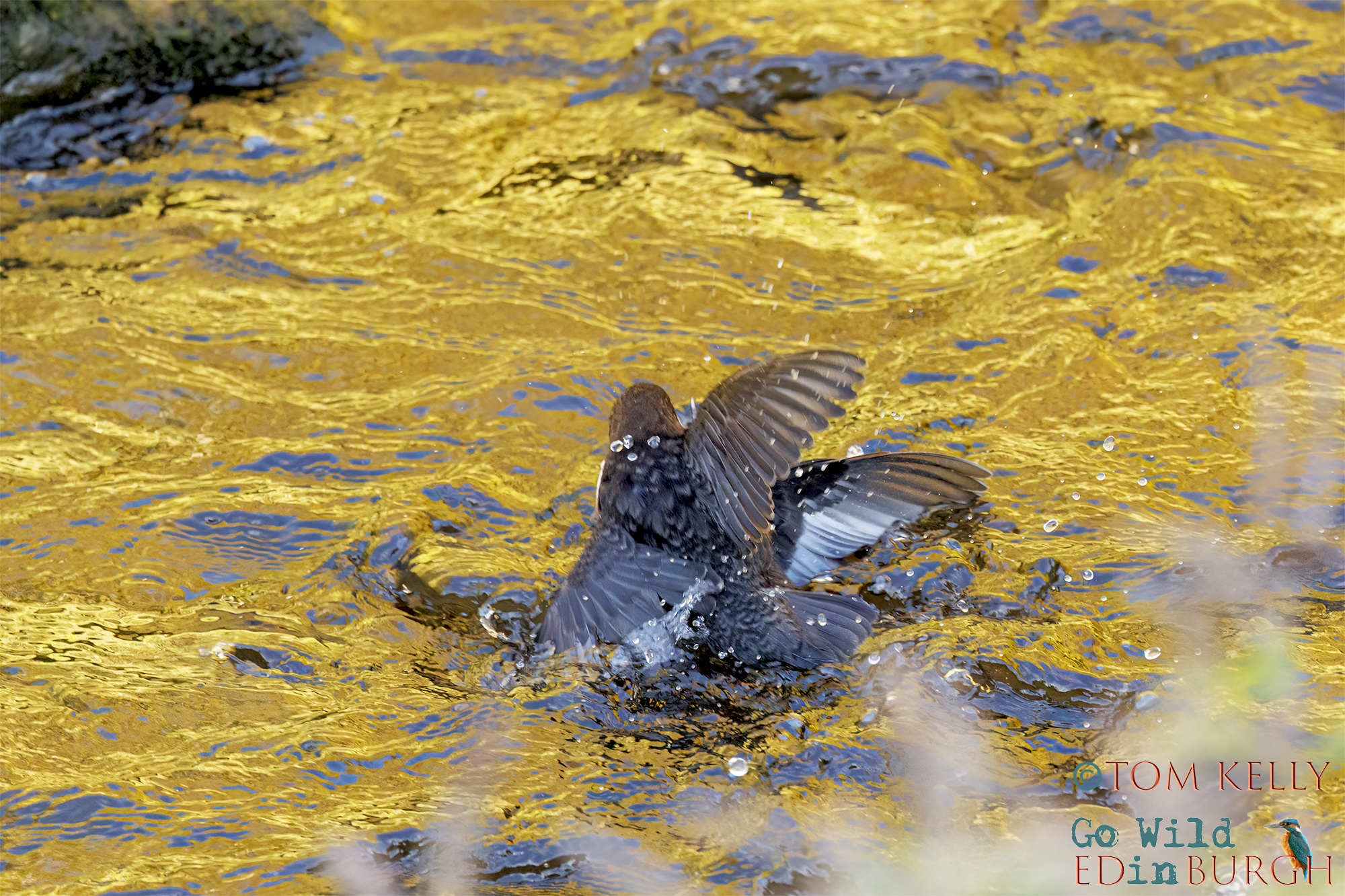
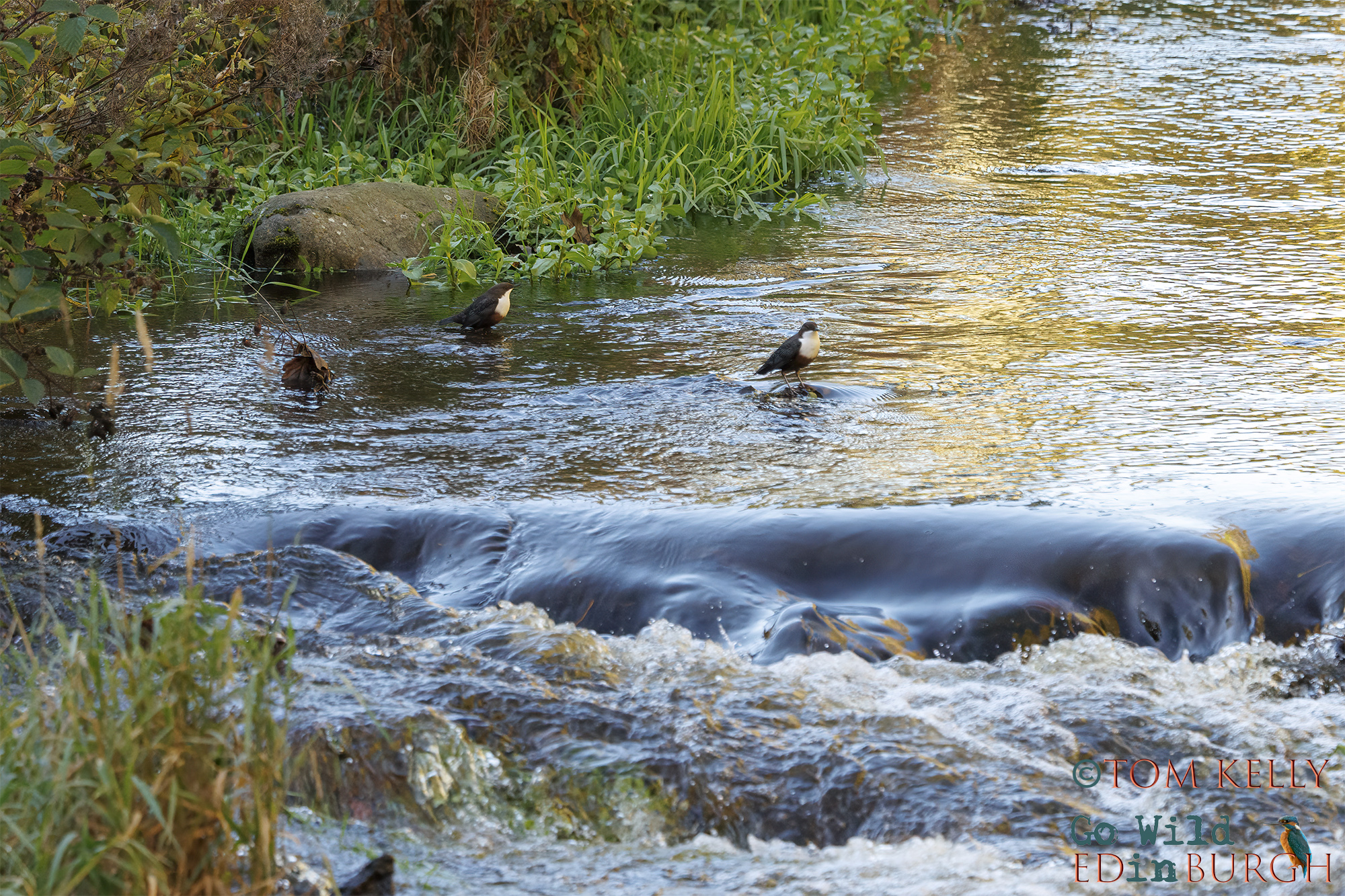
In the meantime, here are a handful of photographs from the final few days of October. The dippers were particularly active during the last week of the month, providing some welcome photographic opportunities.
Harlequin Ladybirds
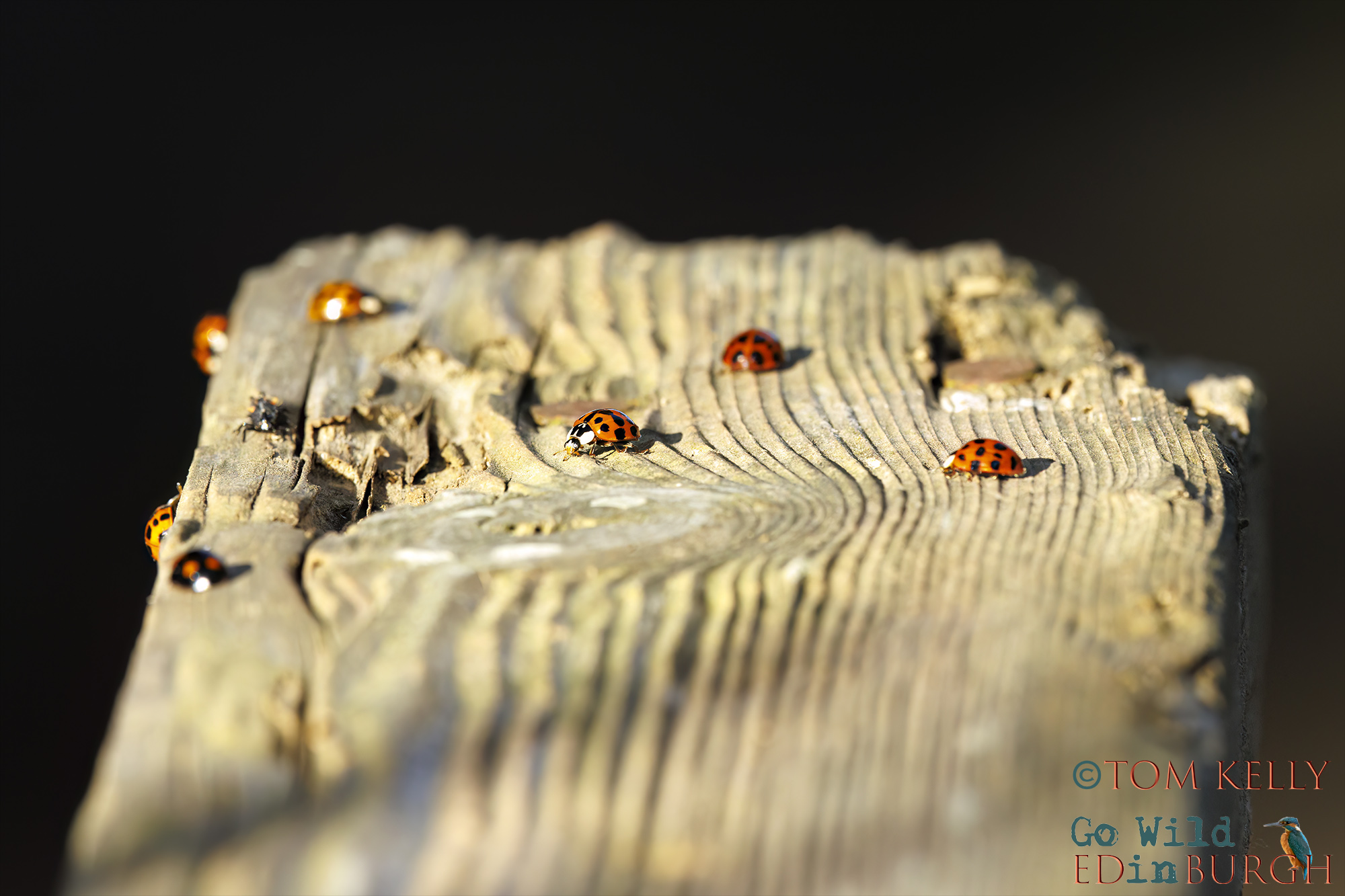
The harlequin ladybirds were also making their presence felt. Hundreds of these non-native insects, originally from Asia, have been gathering on fences and railings along the riverbank, seeking sheltered spots in which to spend the winter.
They are undoubtedly attractive little insects, but their presence is not particularly welcome from the perspective of our native ladybirds. Harlequins compete for the same food sources, particularly aphids, but they also prey on the eggs and larvae of native ladybird species, putting additional pressure on already established populations.
…And Finally
Despite a disrupted start to the month and some challenging weather towards the end, there was still plenty happening along the Water of Leith. With the arrival of winter visitors and the hope of seeing our youngest otter cub again, there’s plenty to look forward to in November.