August 2026
August was another busy month in the field, although my photography took me to rather different locations as the month progressed.
The Pentland Hills, Moorfoot Hills & Lammermuir Hills
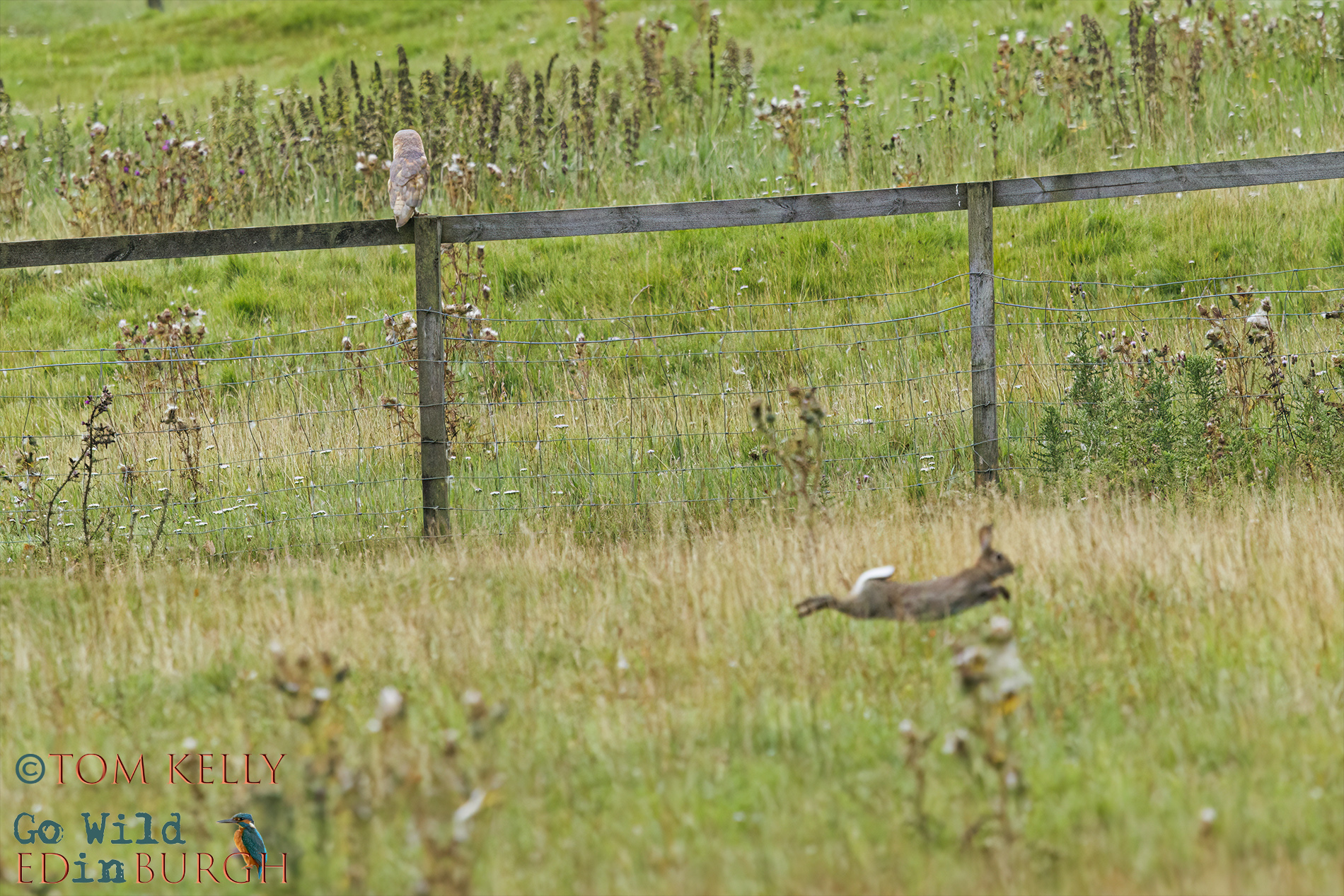
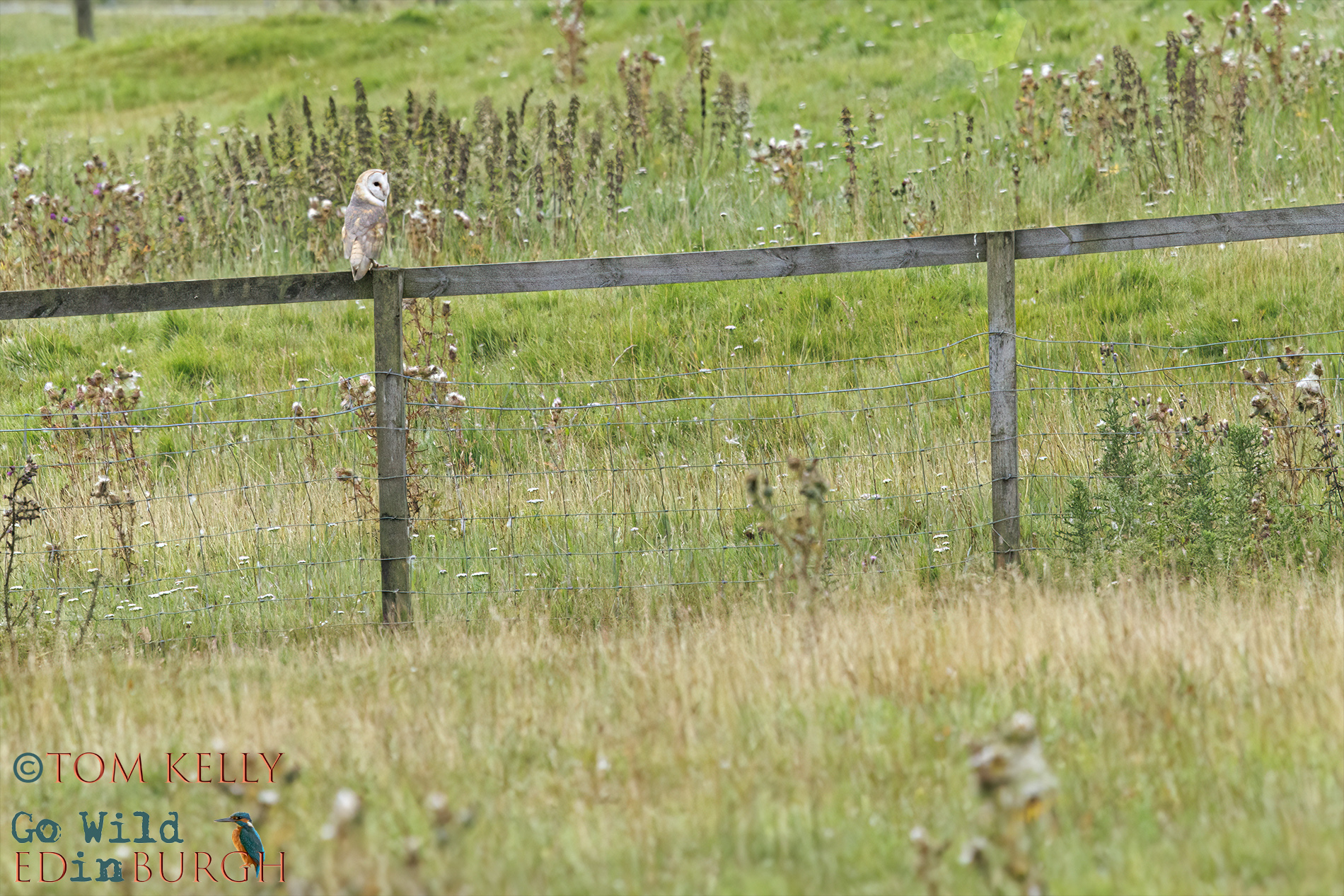
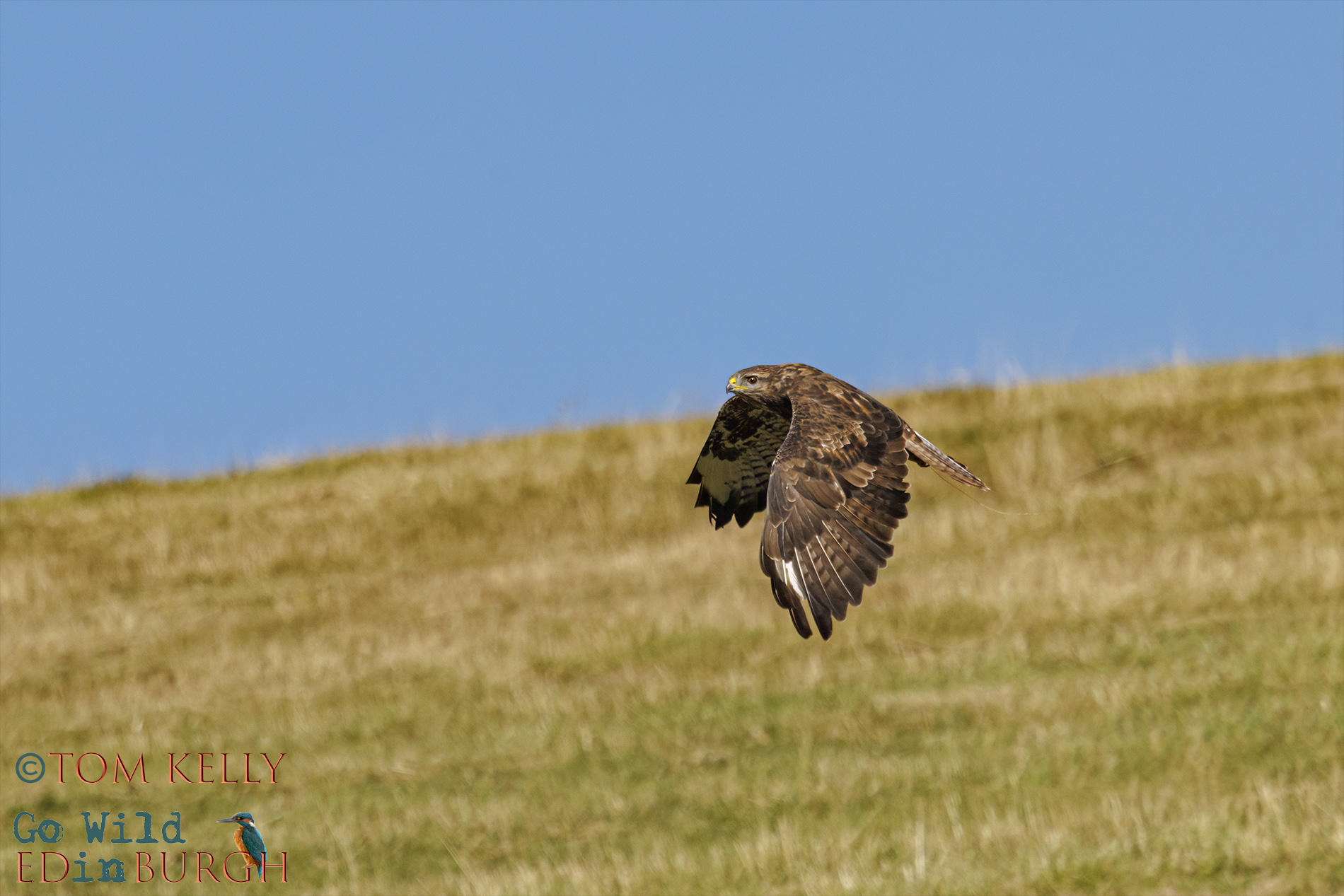
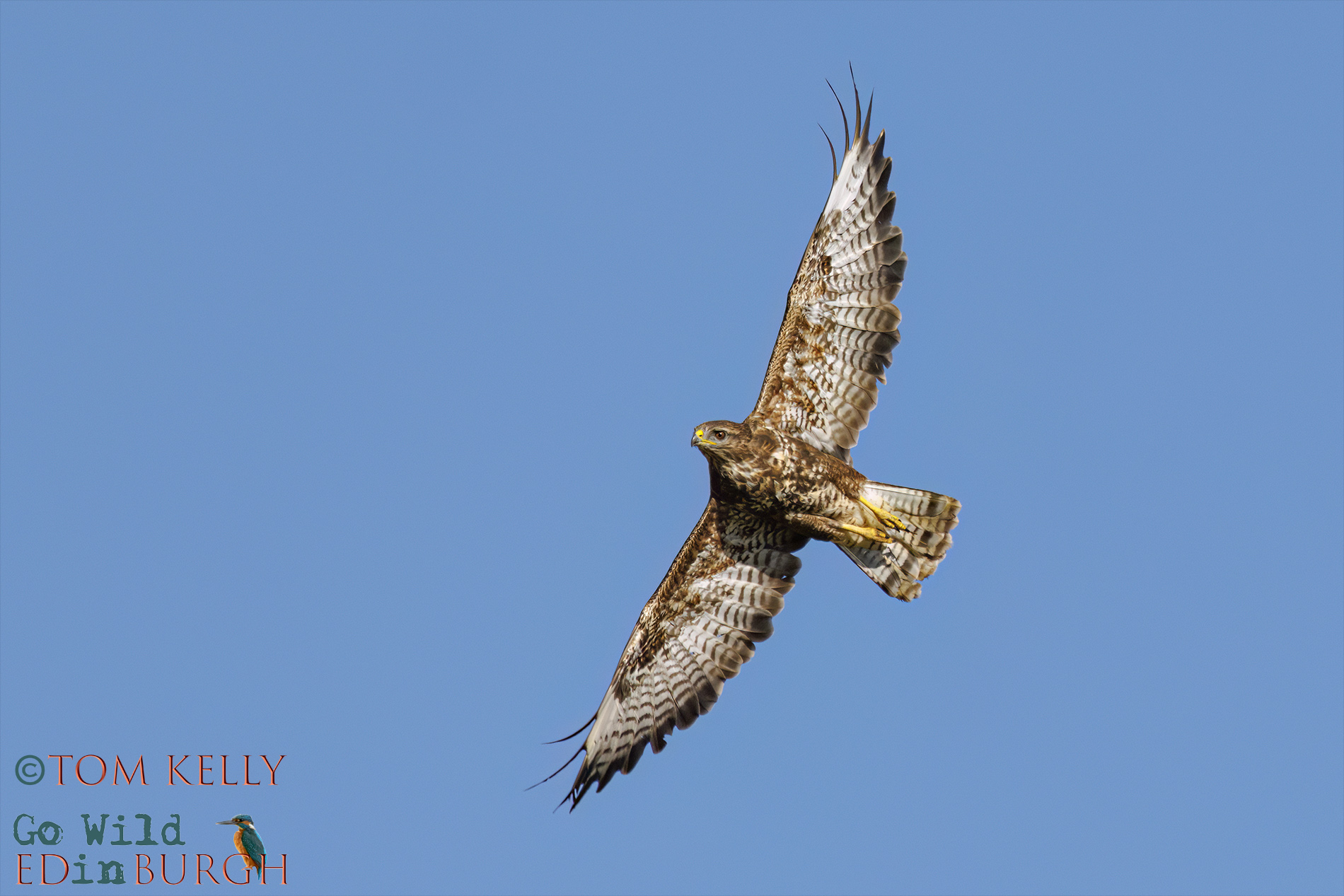
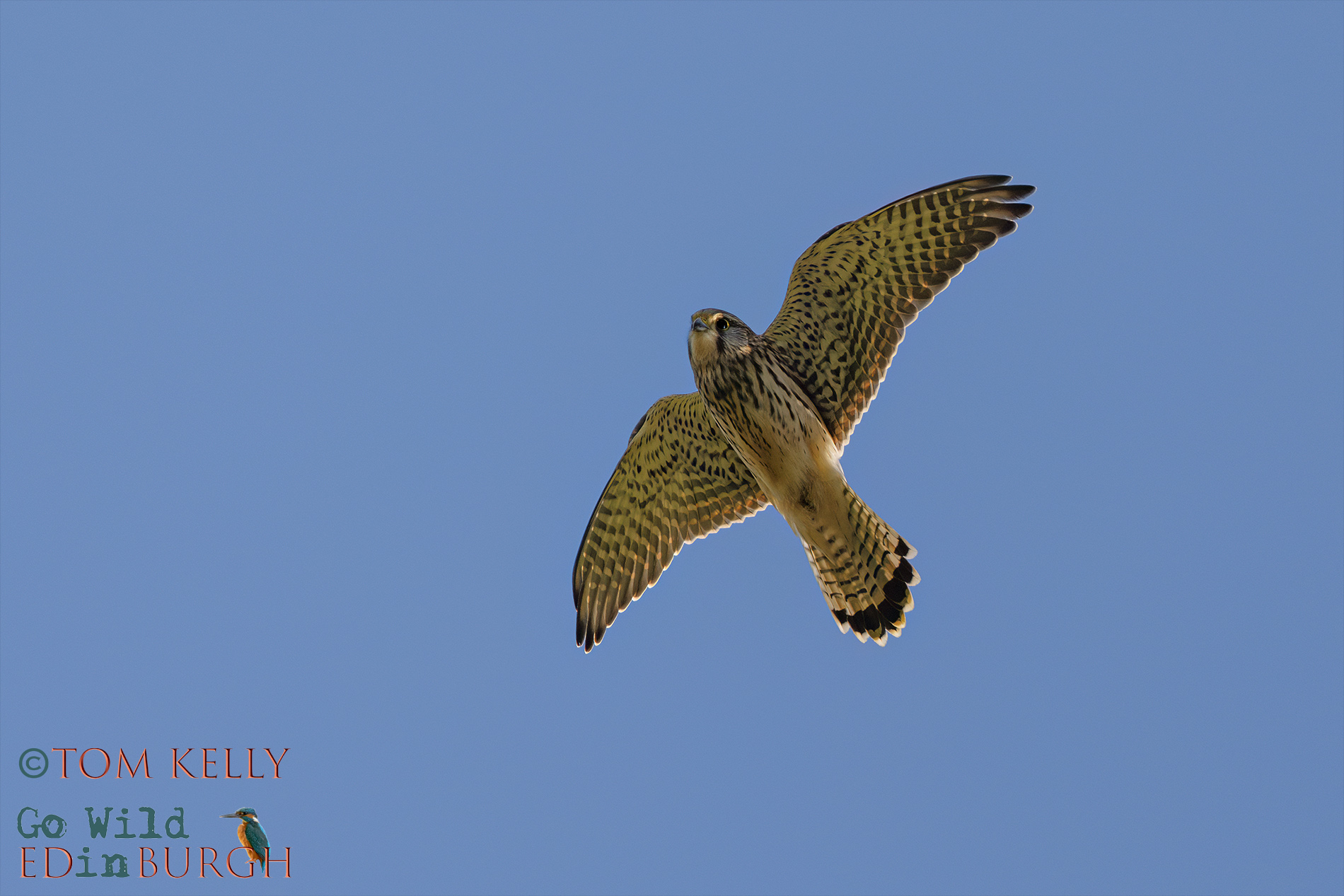
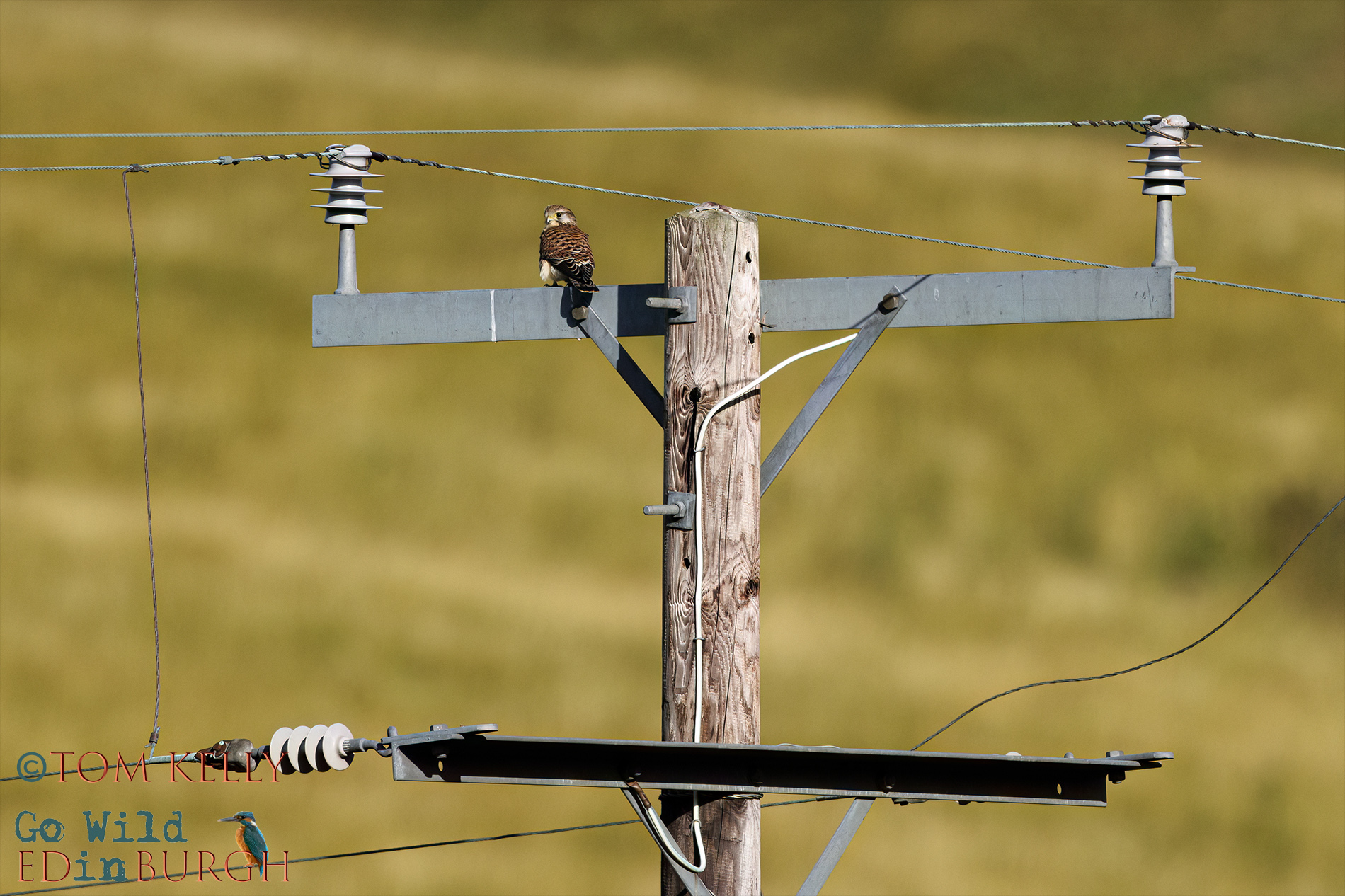
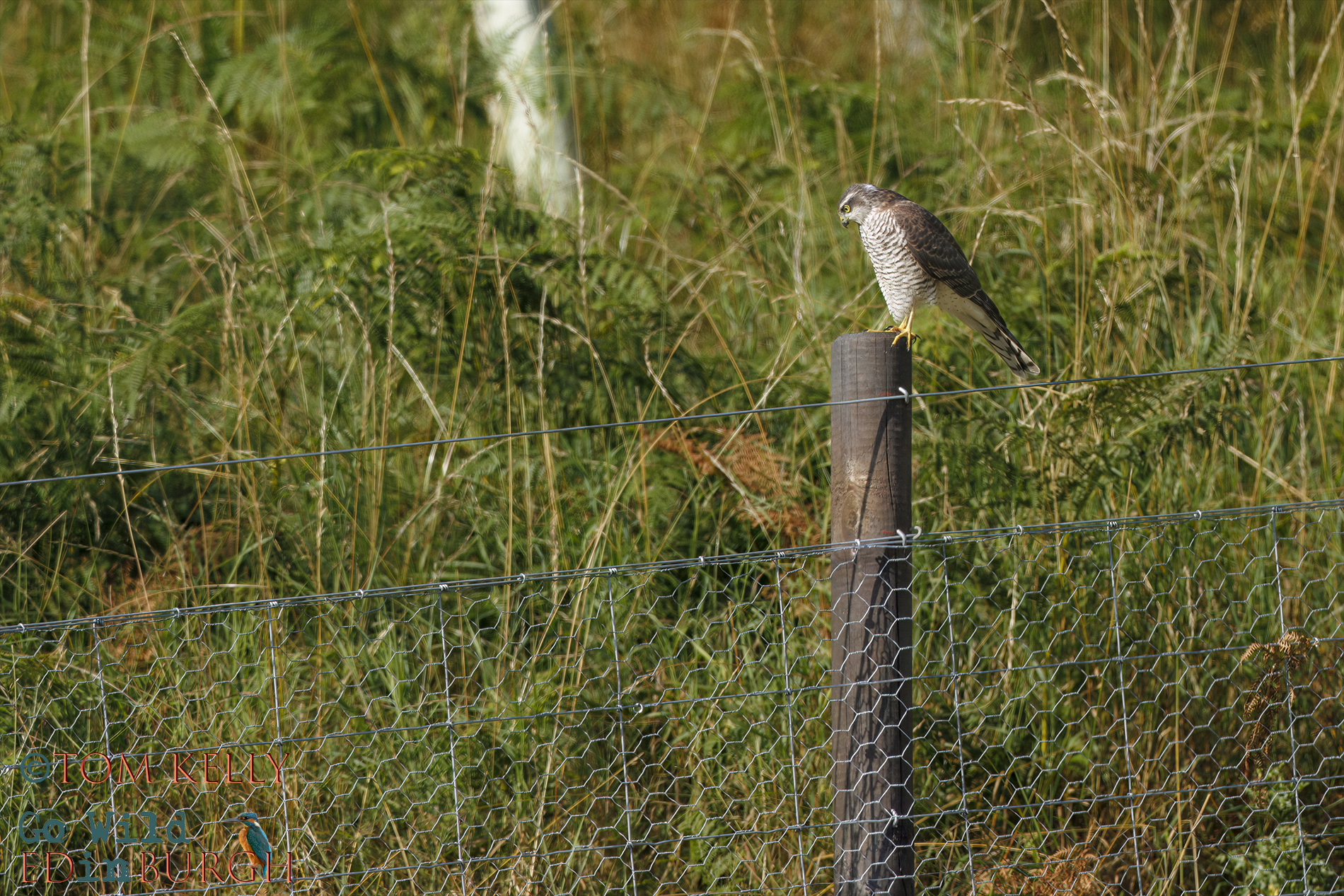
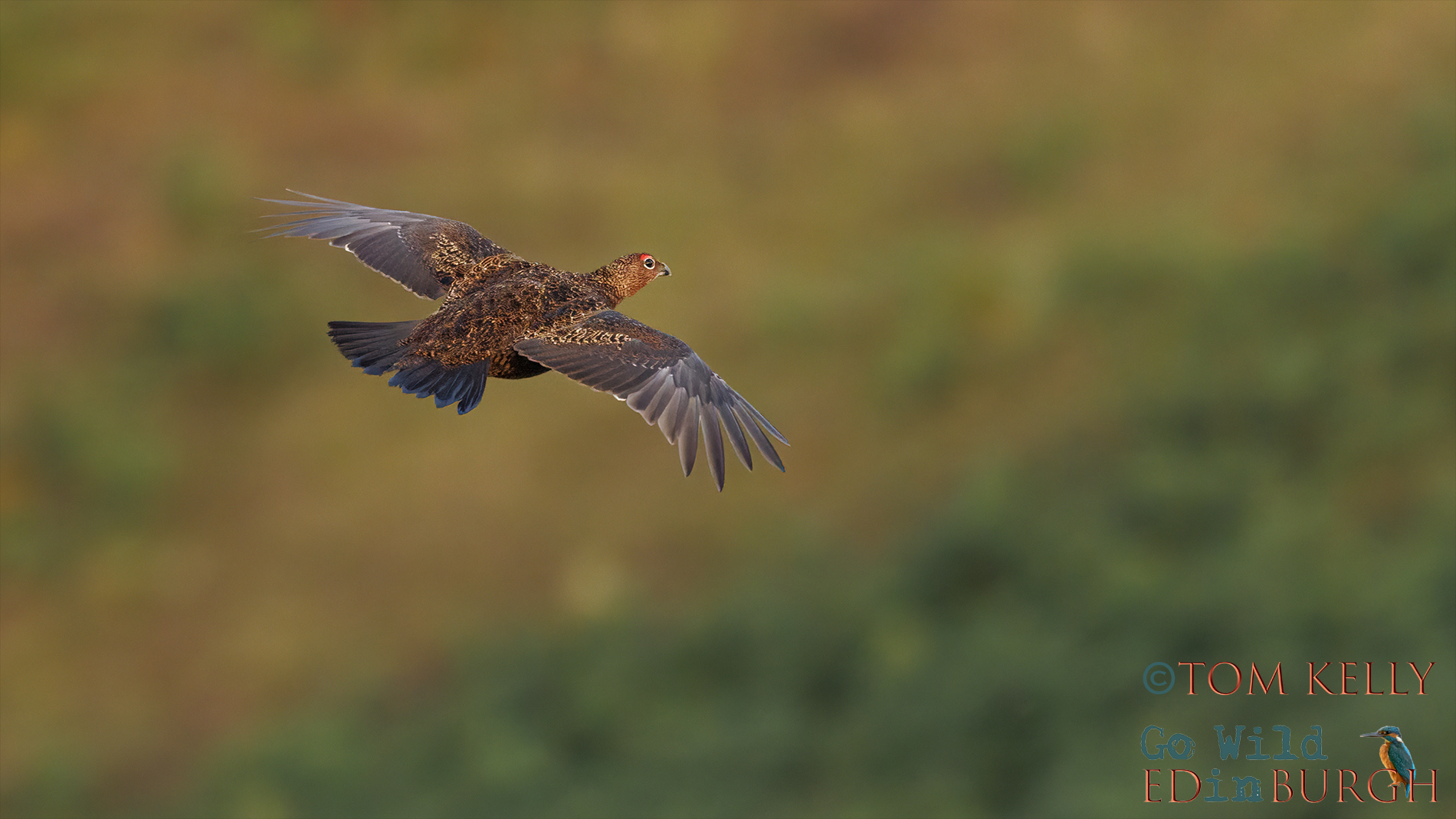
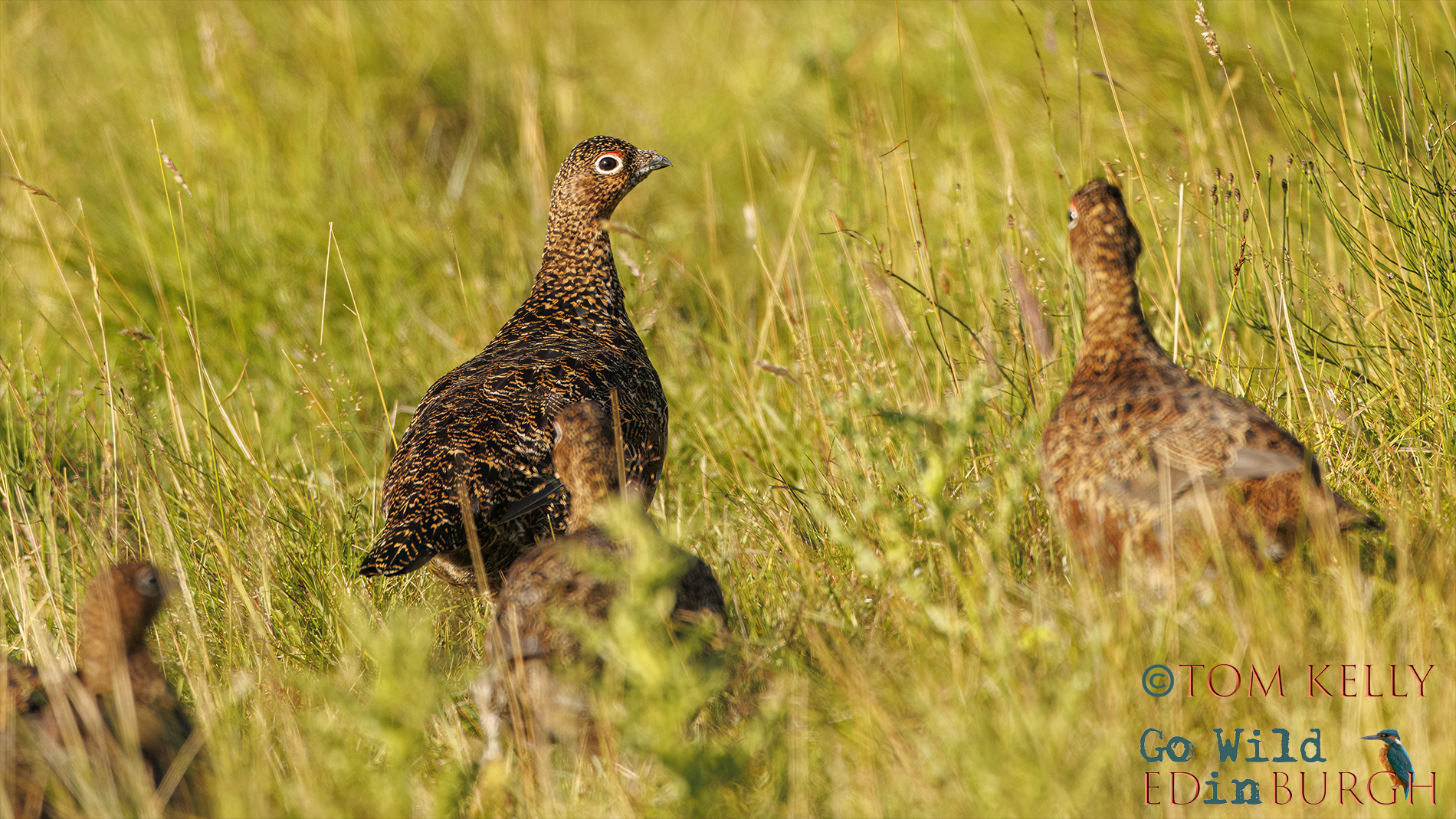
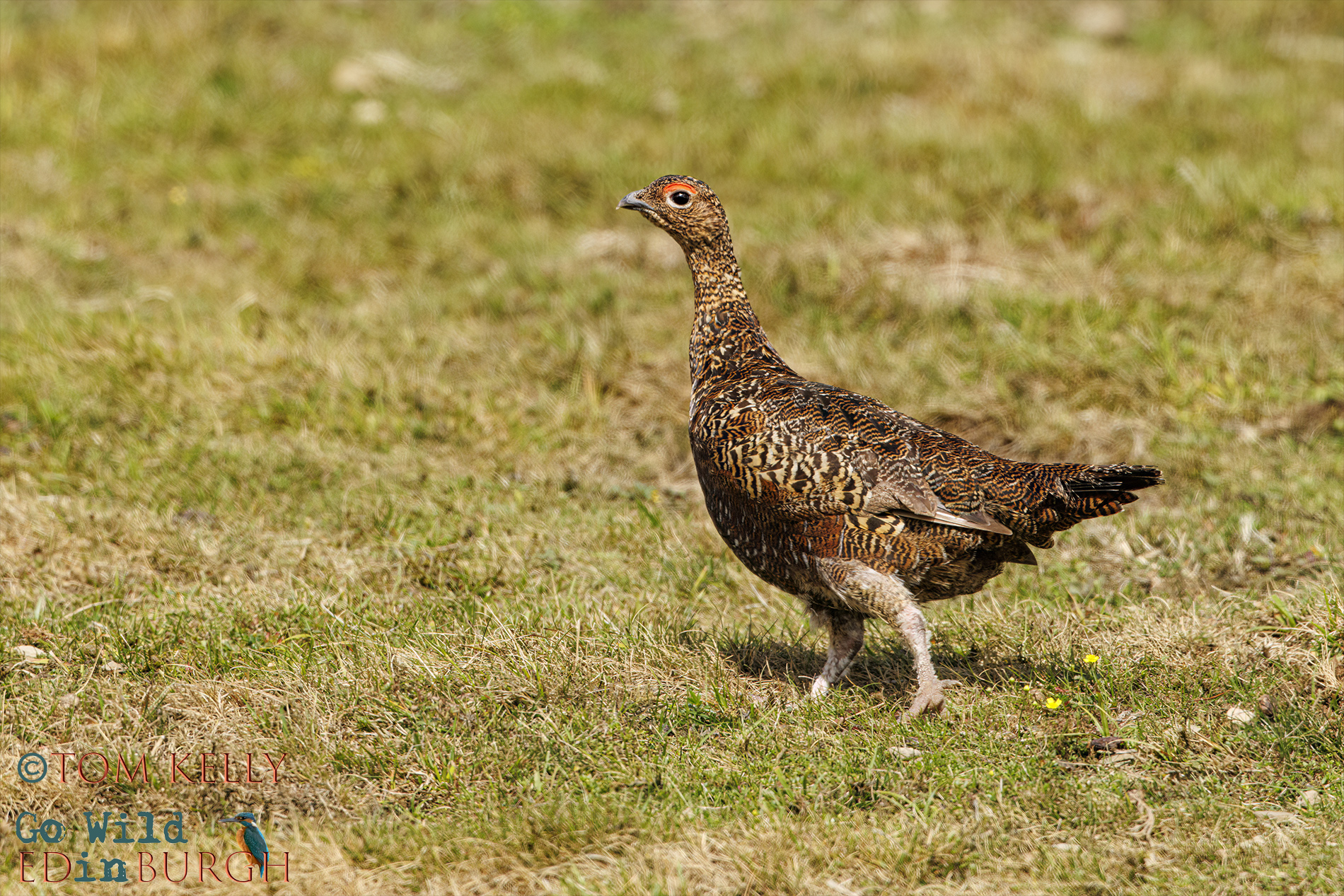
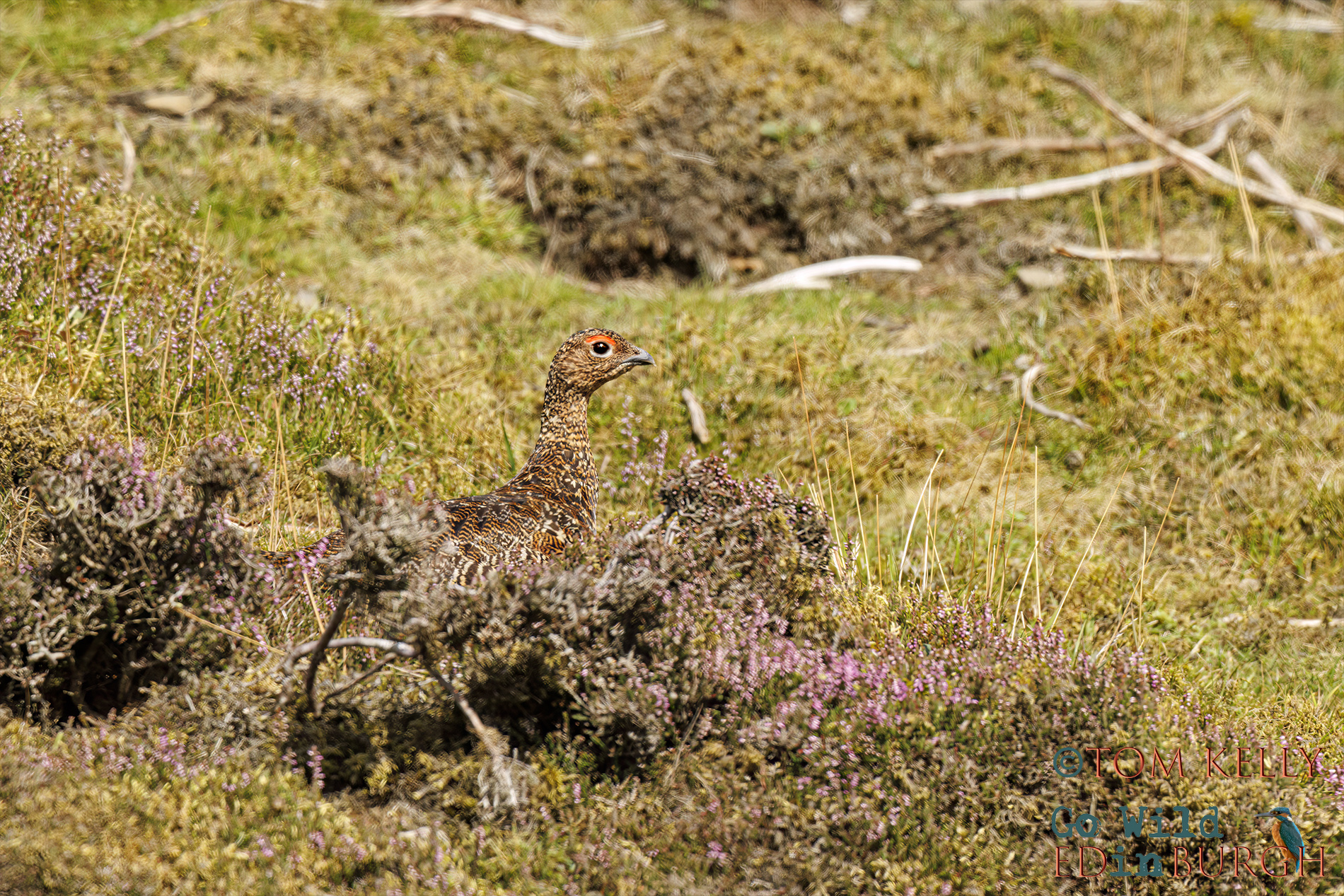
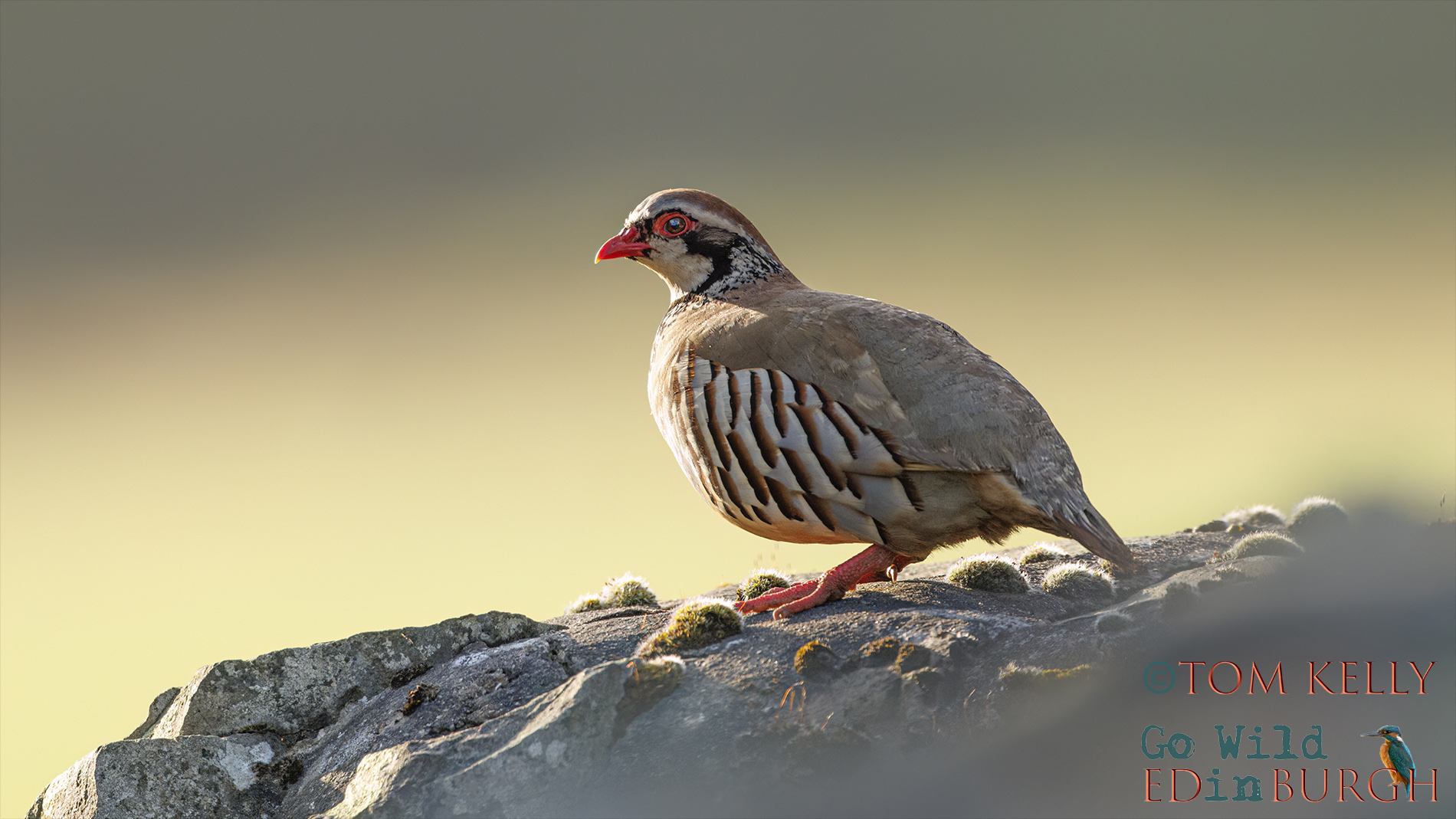
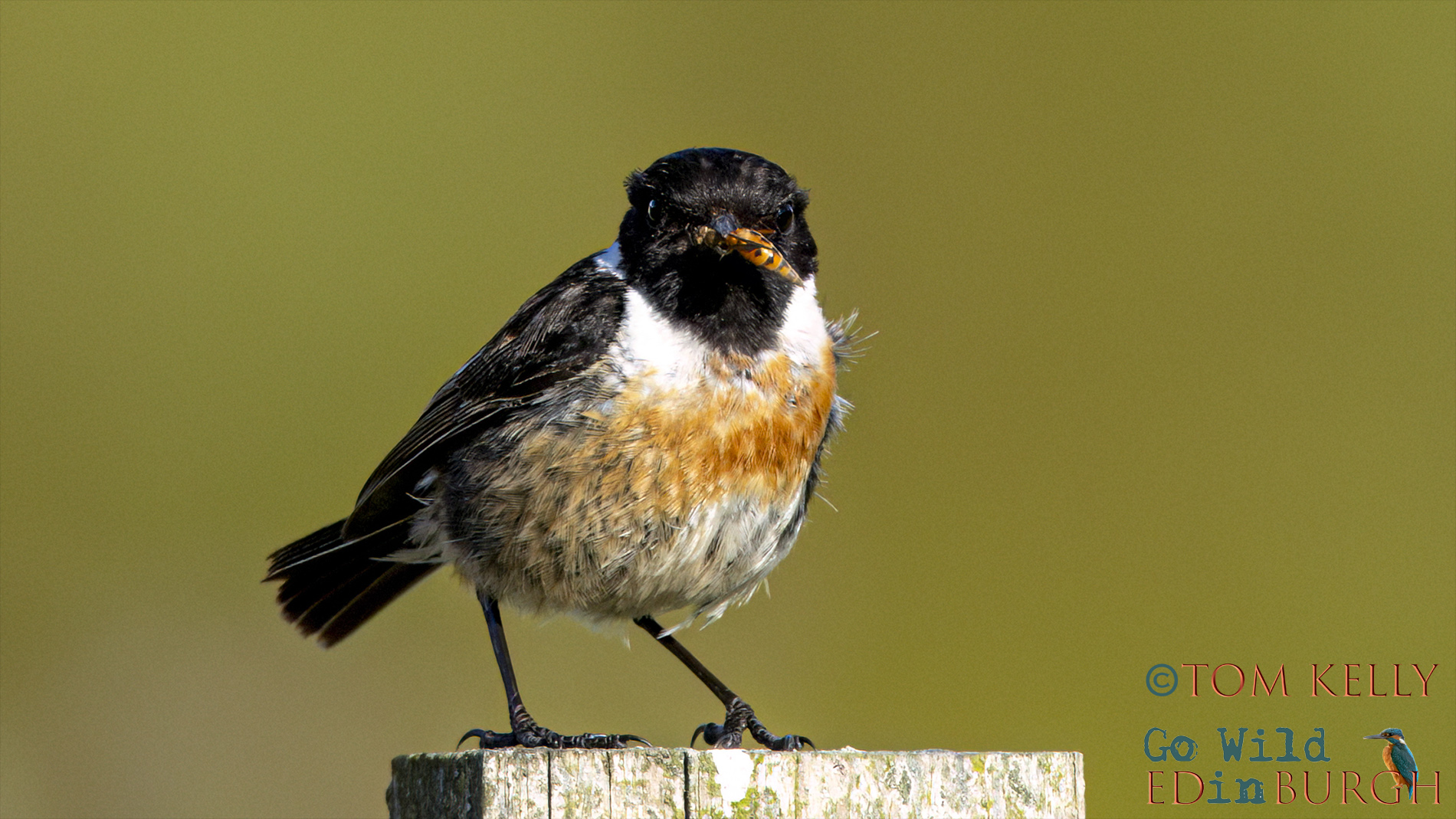
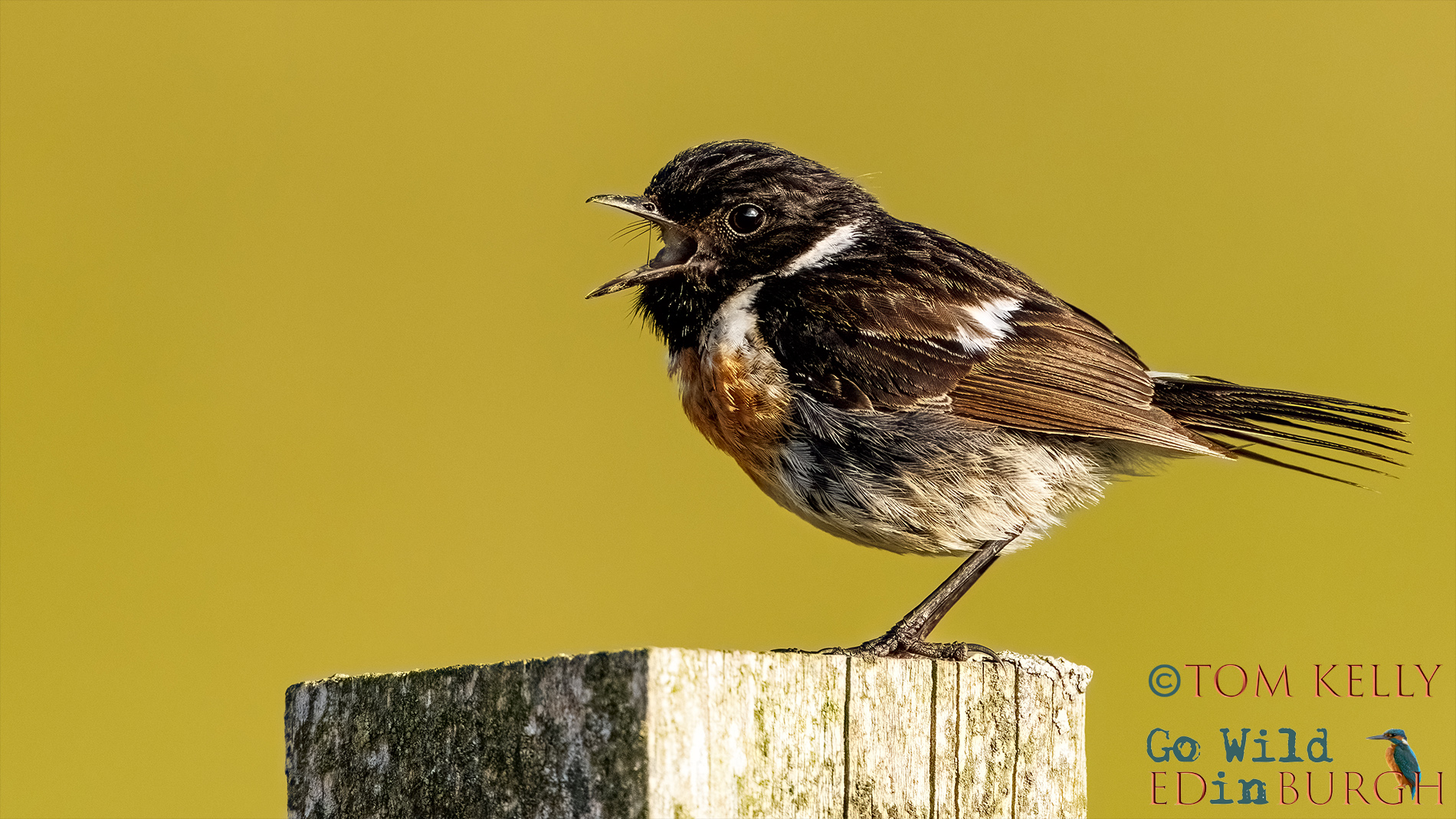
For the first eleven days, I concentrated on the countryside to the south of the Edinburgh City Bypass, working around the Pentland Hills, Moorfoot Hills and the Lammermuir Hills. This proved to be an excellent area for birds of prey, with opportunities to photograph kestrels, sparrowhawks, buzzards, ospreys, merlins and barn owls. There were plenty of other birds around too, including good numbers of stonechats and red grouse, along with the occasional red-legged partridge.
With the start of the grouse-shooting season on 12th August, I left the hills on the 11th August and spent the remainder of the month concentrating my photography along the Water of Leith.
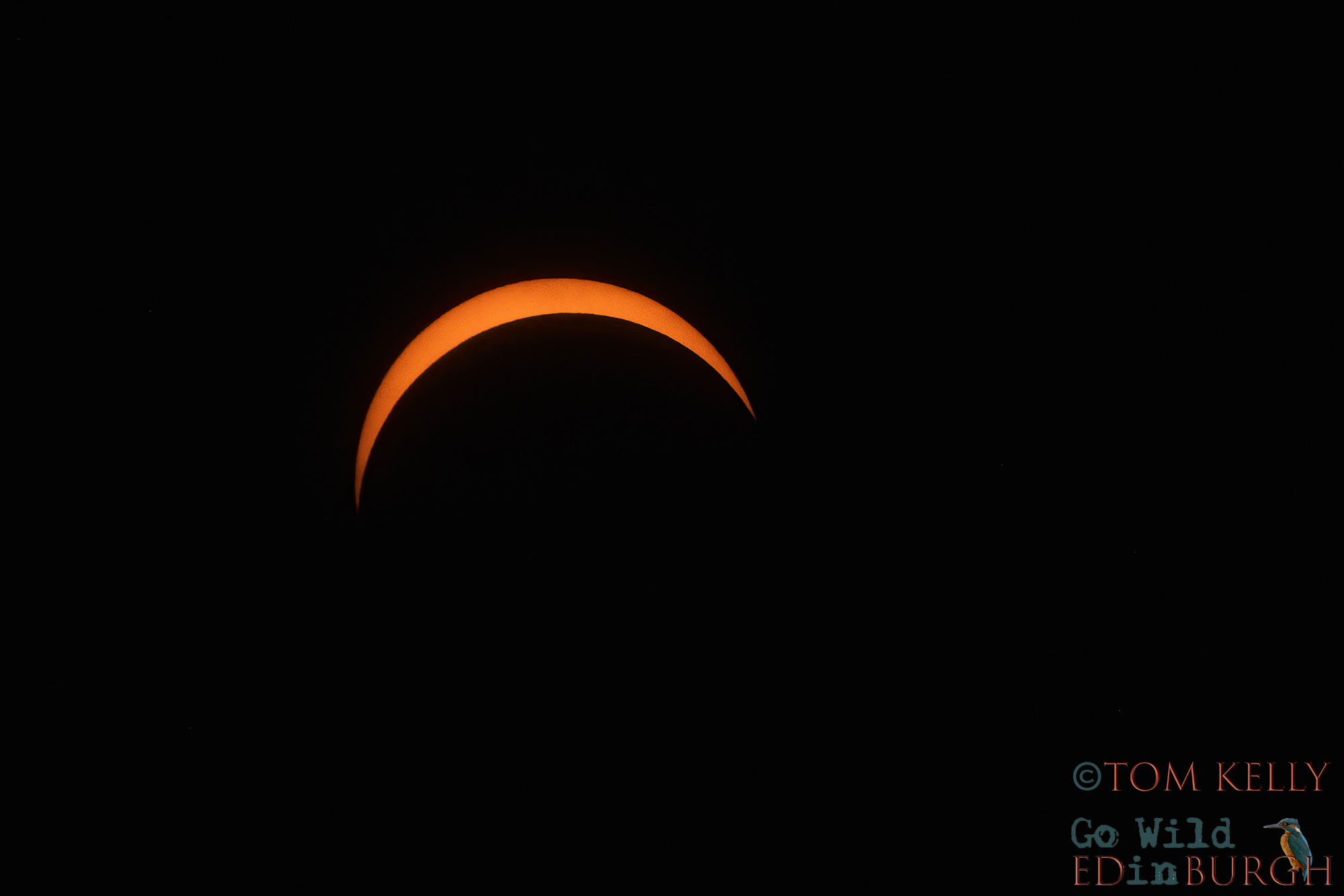
Solar Eclipse
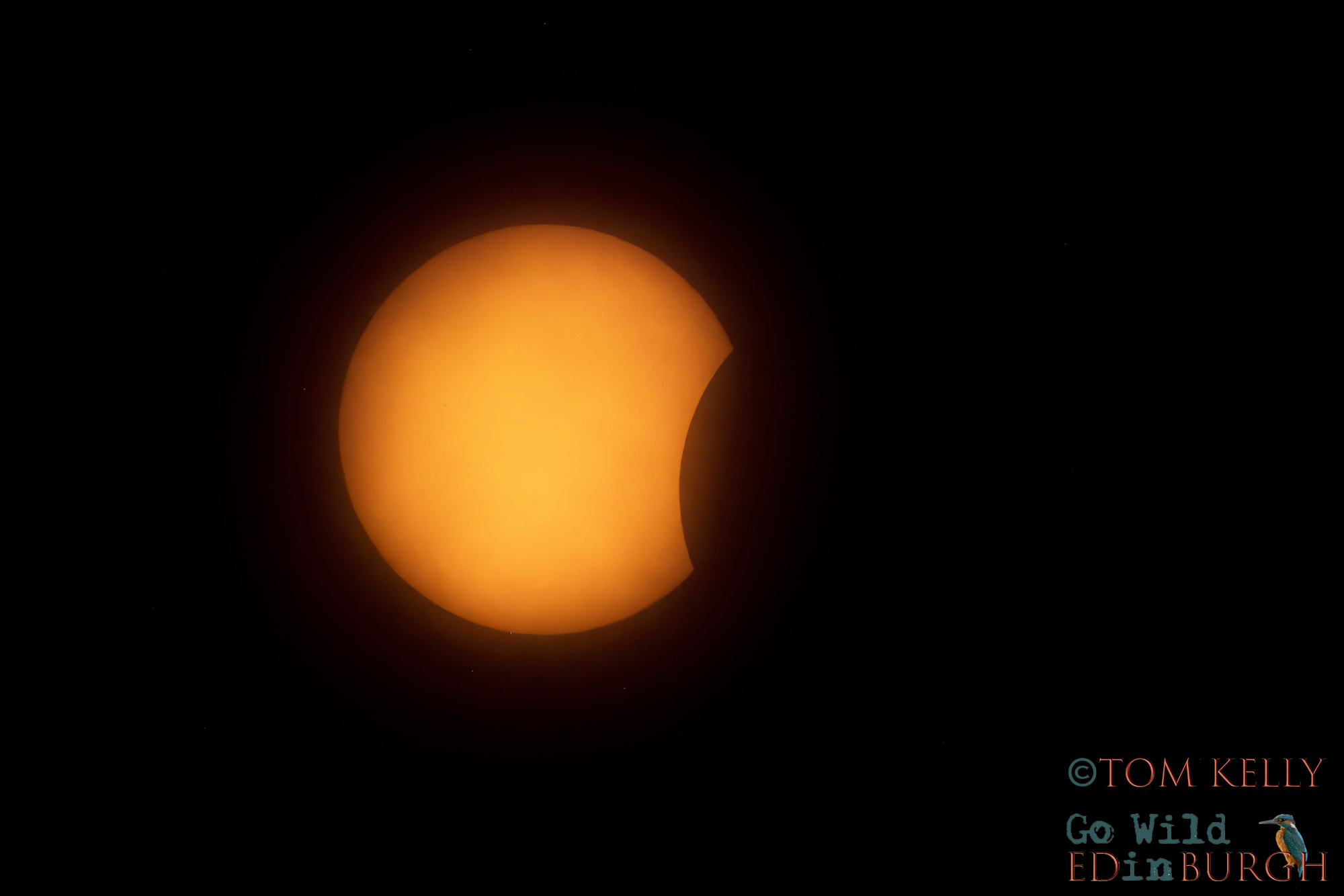
Before heading back to the river, however, there was one more spectacle to photograph – the solar eclipse. Unfortunately, the cloud had other ideas, but I did manage to capture a few glimpses of the eclipse between the breaks in the cloud.
It wasn’t the only eclipse I was photographing during August, either. The male mallards have now started to moult into their drab ‘eclipse’ plumage, making them look remarkably similar to the females. One of the easiest ways to tell them apart is by their bills: males retain their yellow bills, while females have an orangey-brown bill.
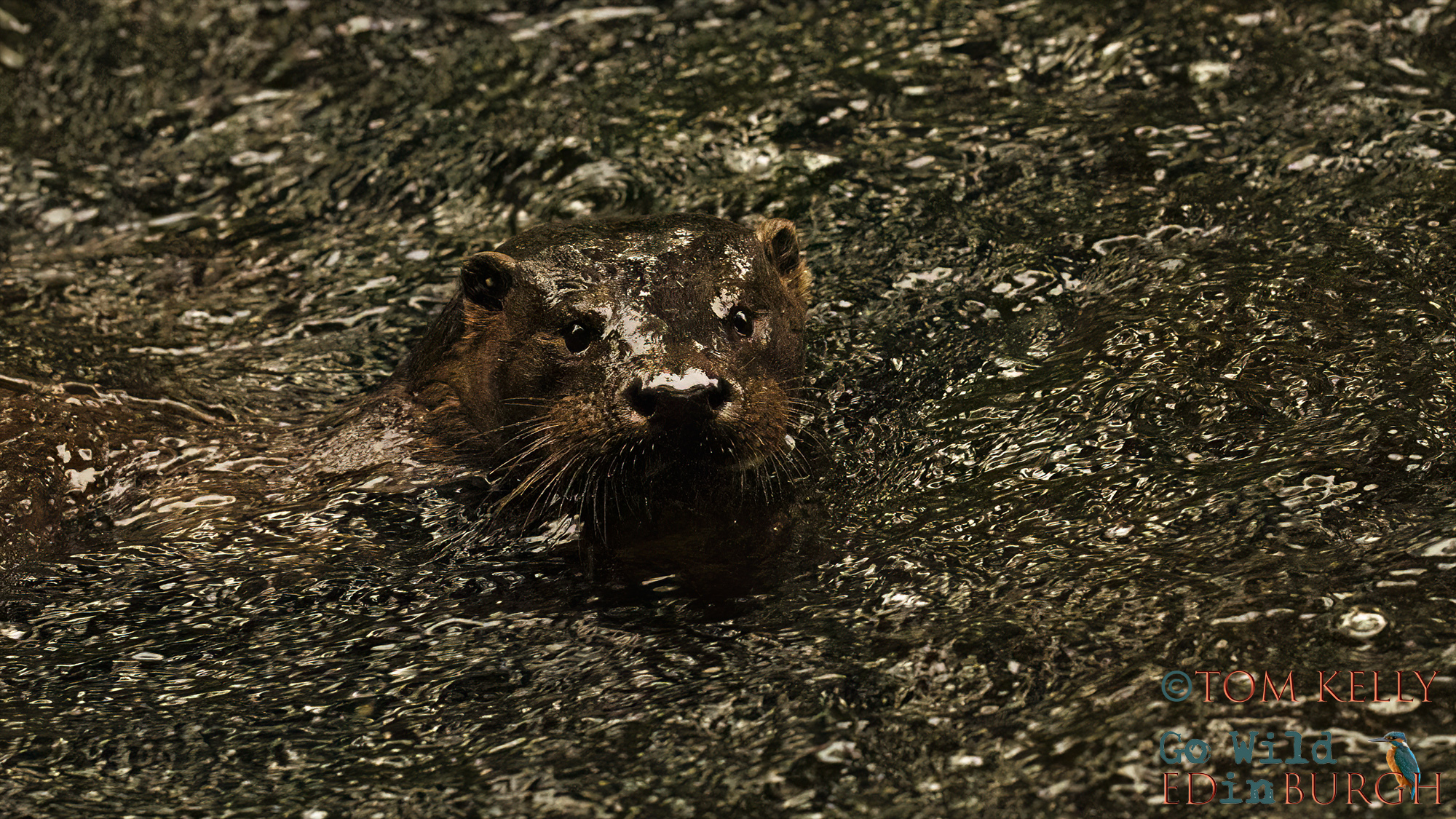
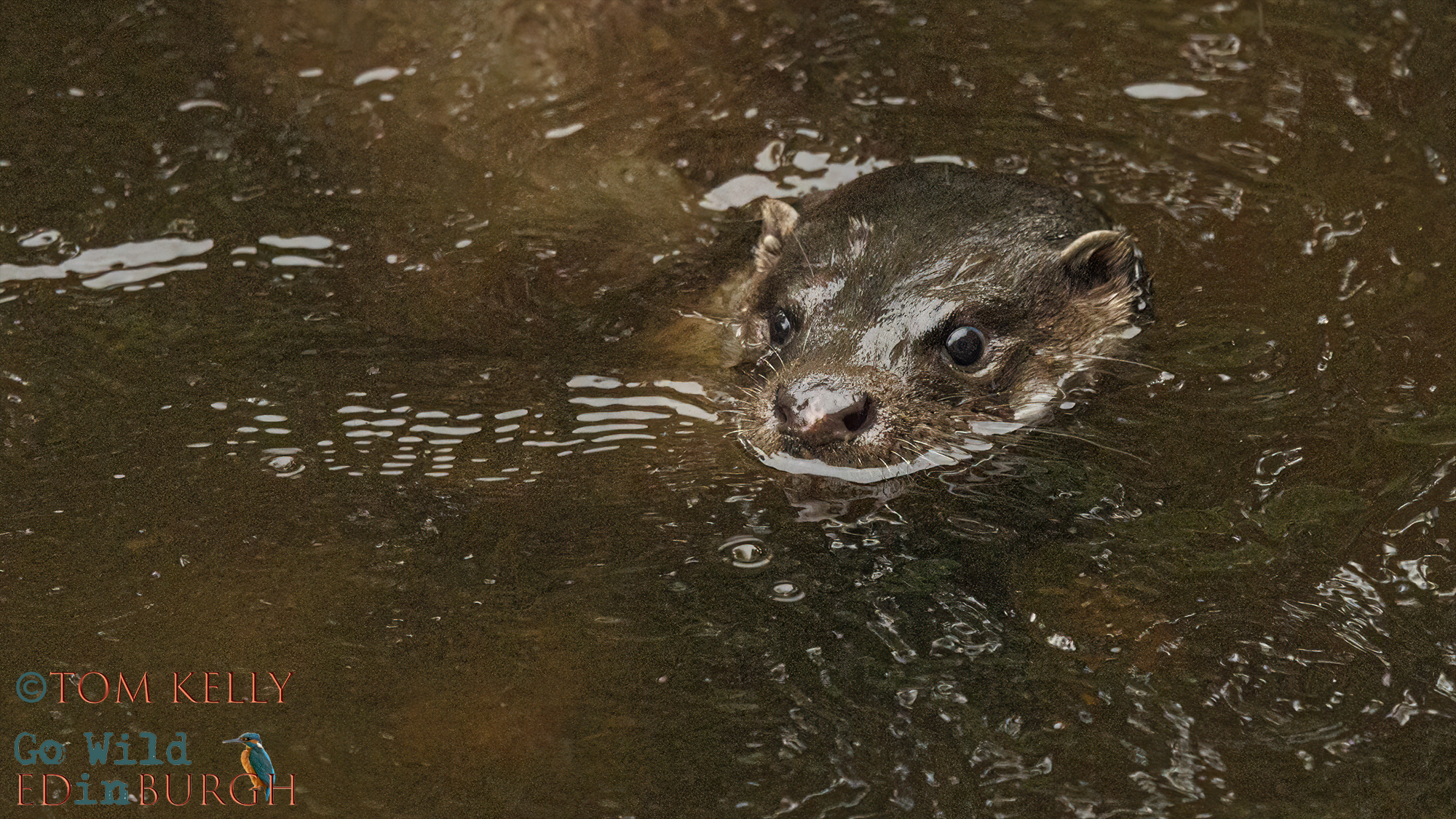
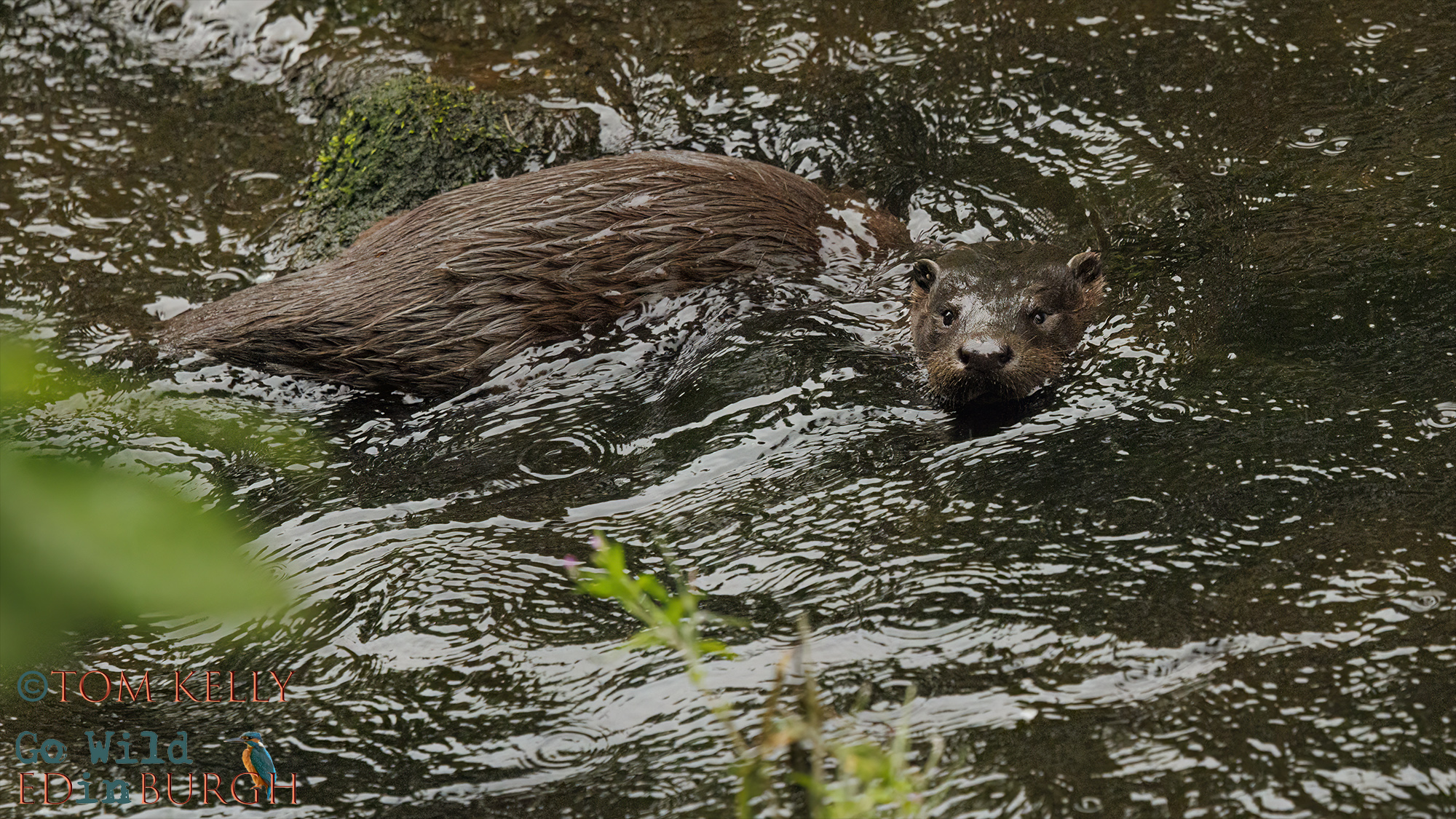
Otters
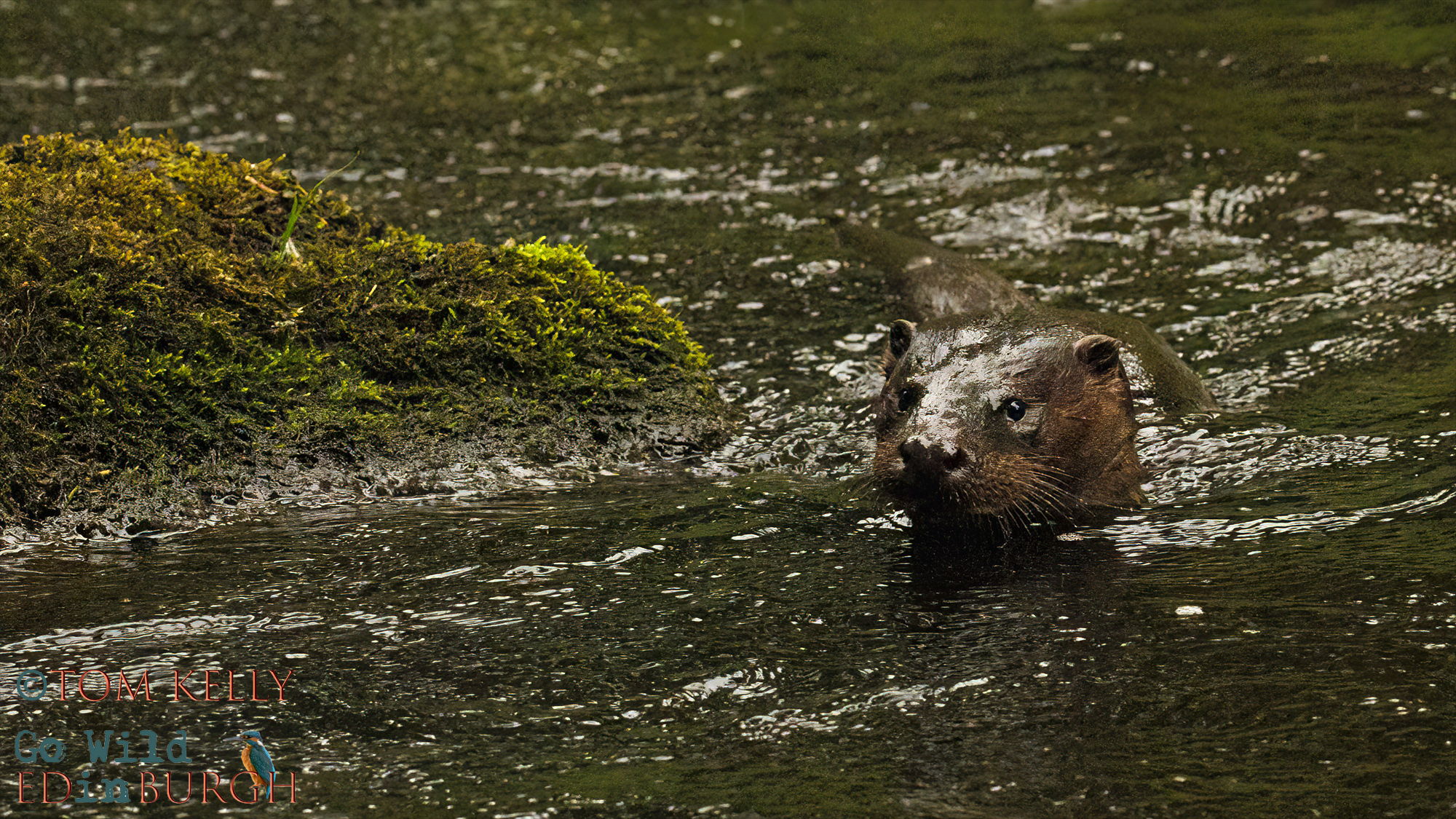
I am very lucky to see the otters most weeks on the Water of Leith but on 14th August I had what was probably my wildlife highlight of the month… an amazing encounter with the otters on the river.
Roe Deer
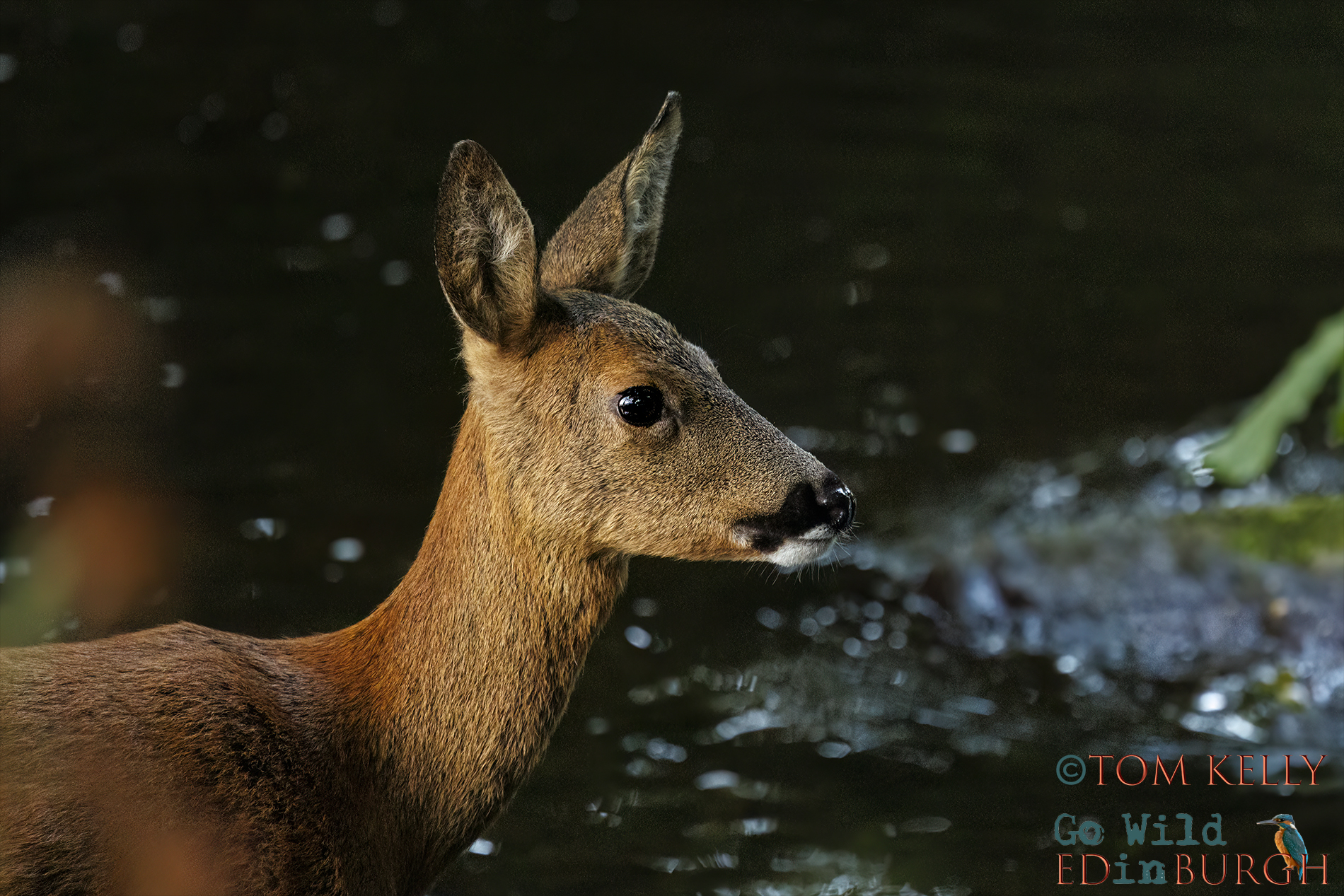
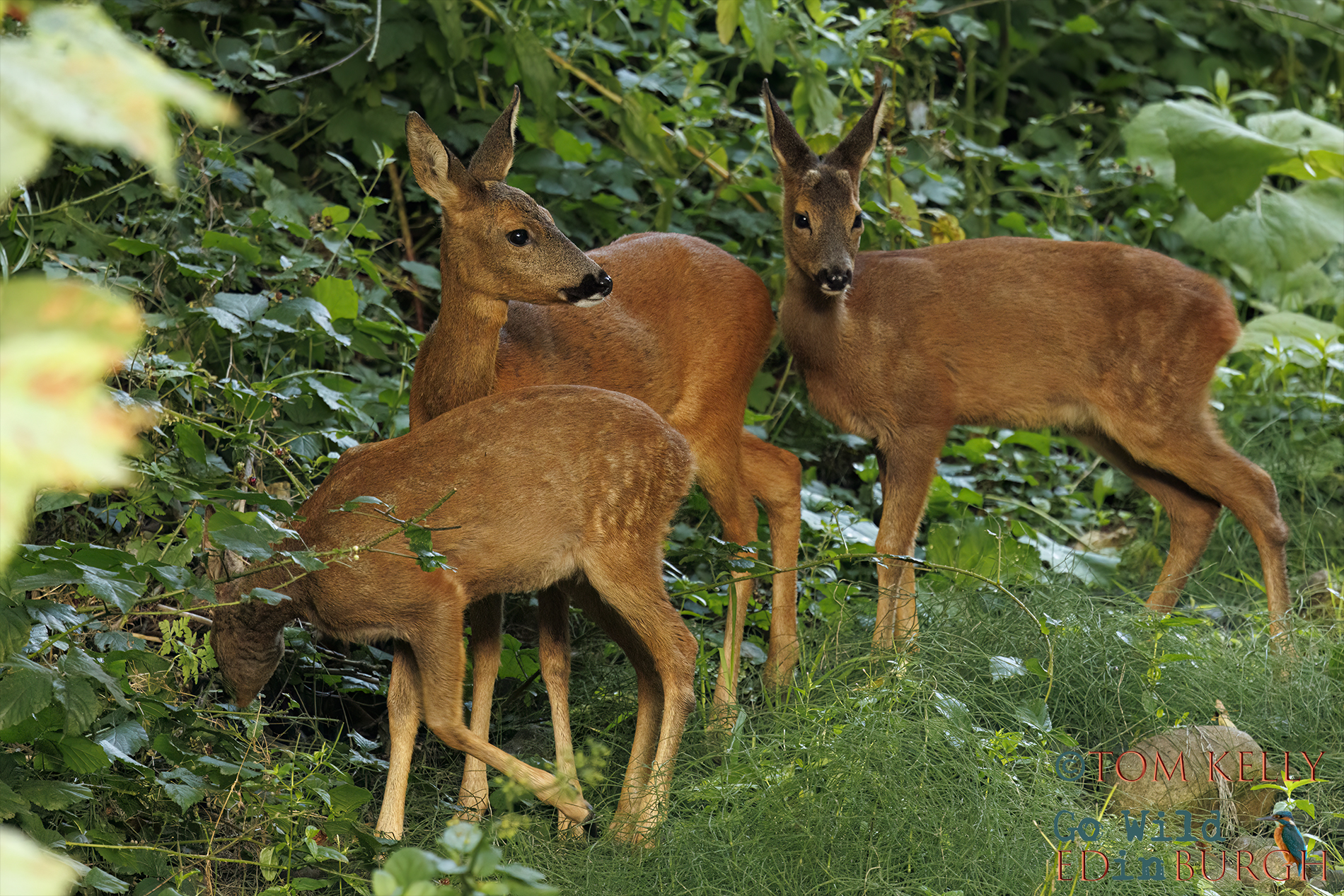
The roe deer also provided plenty of photographic opportunities throughout August. This is the time of year when the roe deer rut takes place, around two months earlier than the rut of our red deer. There was plenty of activity in the woodlands along the river, with males chasing one another, as they competed for the opportunity to mate with females.
It might seem surprisingly early in the year for mating, but roe deer have a fascinating adaptation known as embryonic diapause. Following fertilisation, development of the embryo pauses and the fertilised egg remains unattached within the uterus for around five months. Development then resumes so that the young are born in May or June, when the weather is warmer and food is much more plentiful. Interestingly, badgers also use a similar reproductive strategy.
Swans & Eiders
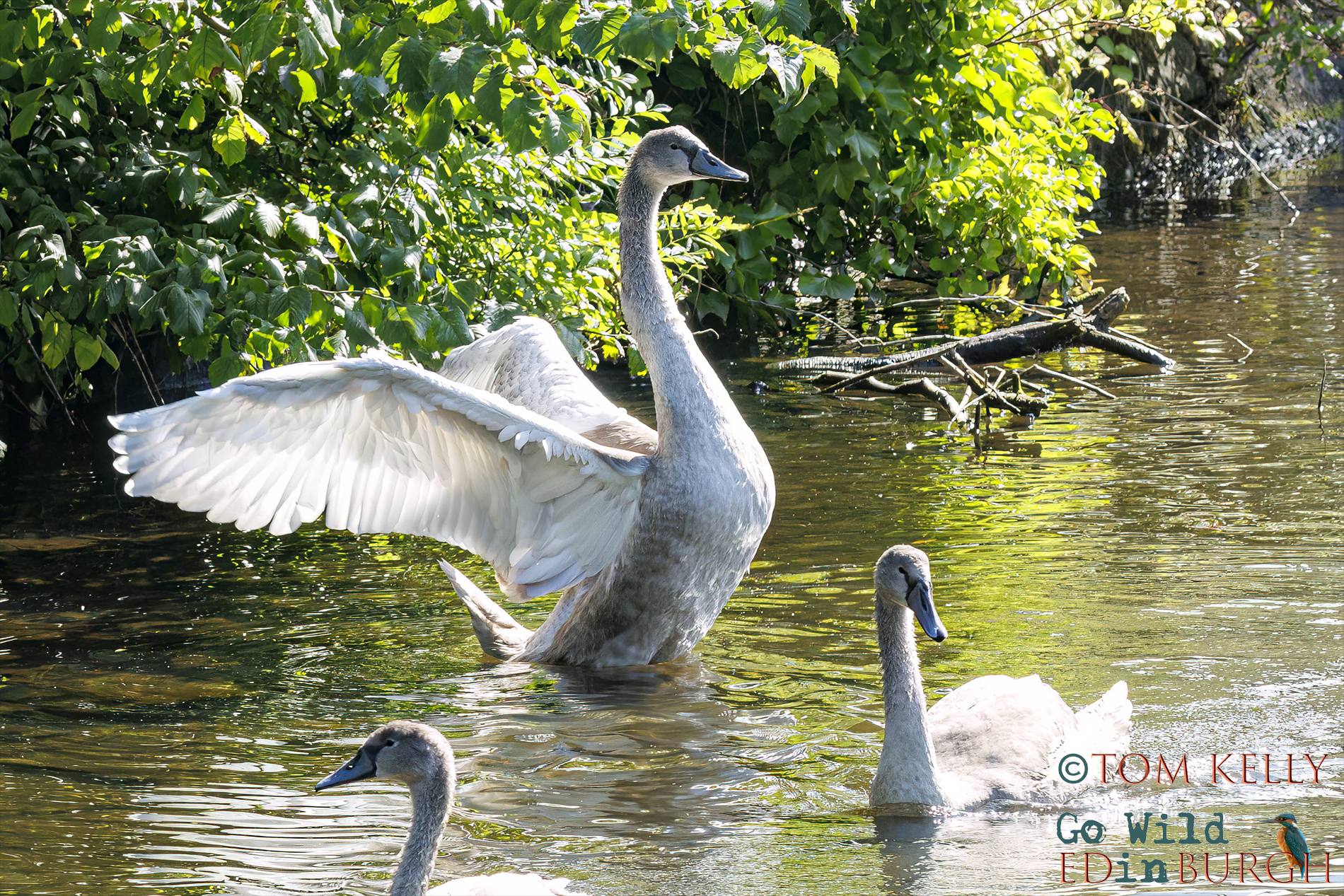
Down on the river, our five swan cygnets are still doing well. They are now almost the size of the adults, although they will retain their characteristic beige juvenile plumage for several months yet.
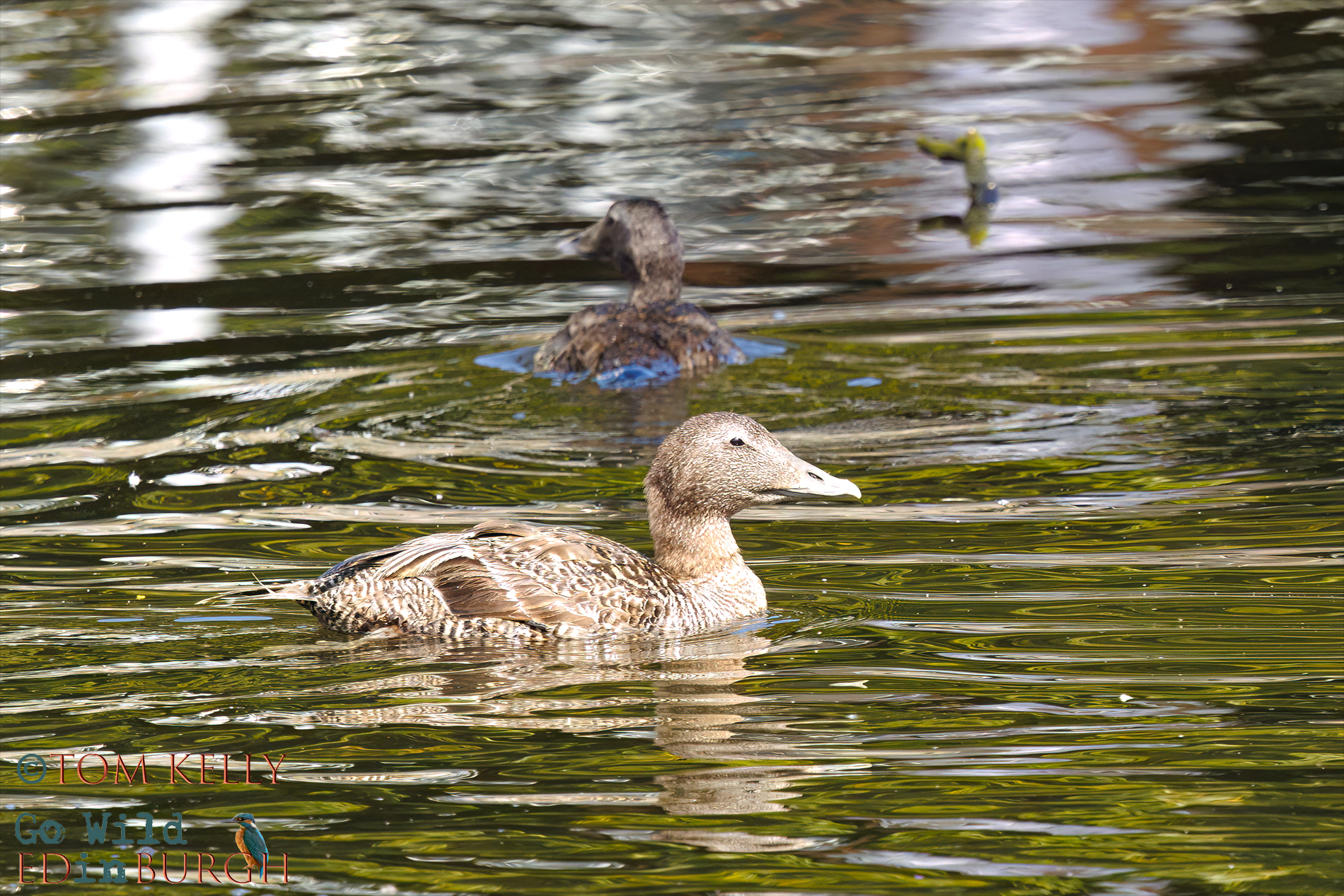
Finally, August also marks the time to say goodbye to some of our summer visitors. The remaining eiders will soon be heading out towards the outer Firth of Forth and St Andrews Bay, where they will join larger flocks for the winter months.
Another busy month in the field, with plenty of wildlife, some memorable encounters and, as always, plenty of photographs to add to the collection.
CLICK ANY PHOTO BELOW TO ENLARGE